Tokyo Rental Property Yields 2026: What Investors Need
Tokyo investment property yields decline as regulatory pressure and shifting tenant demand reshape rental returns. Learn which wards still offer competitive yields.
Tokyo investment property yields decline as regulatory pressure and shifting tenant demand reshape rental returns. Learn which wards still offer competitive yields.
Tokyo's investment property market is at an inflection point. While headline prices remain elevated—the metropolitan average hovers around ¥55 million—the yield story tells a more sobering tale for landlords betting on rental returns.
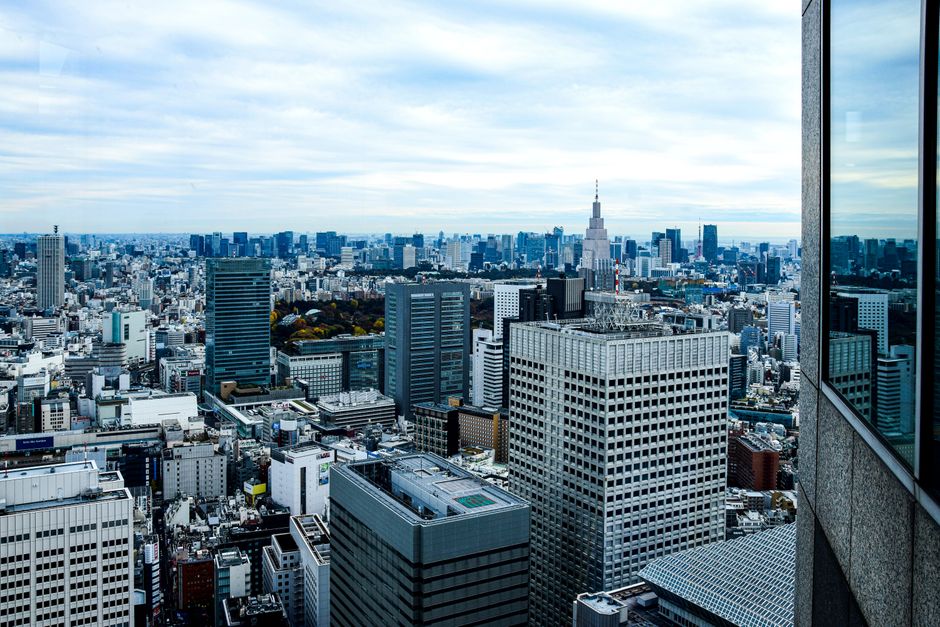
Two forces are colliding in 2026. First, institutional money continues to chase premium Yamanote Line addresses, driving competition for trophy assets in Shibuya and Shinjuku's core business districts. A one-bedroom unit in Sendagaya or near Roppongi Hills still commands ¥12–15 million, with yields barely breaking 2.5 per cent when factoring in property tax, maintenance, and Tokyo's notoriously strict tenant protections.
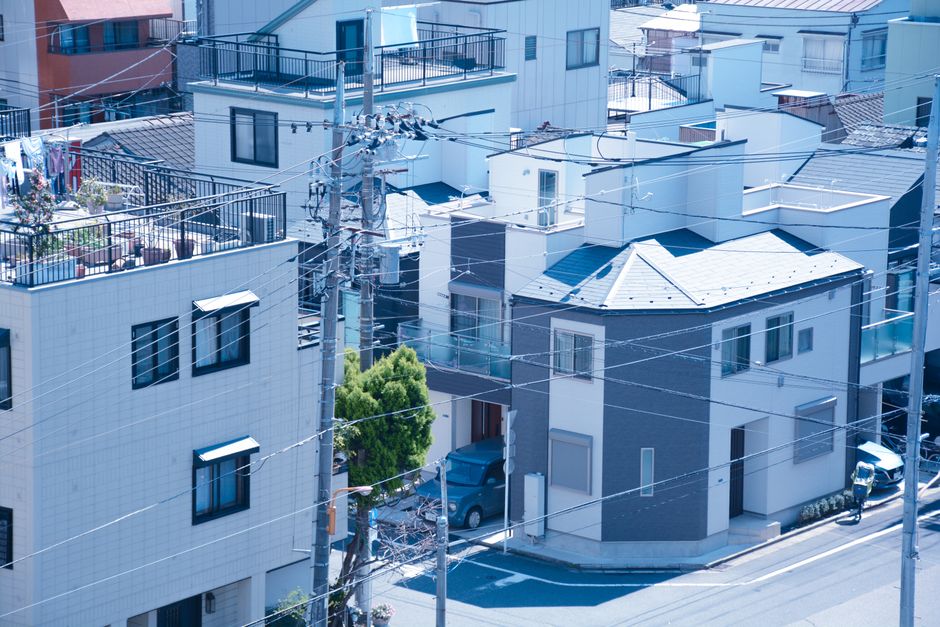
Yet beneath this surface calm, buyer behaviour is fragmenting. Family-oriented investors are rotating away from central wards toward Musashino and Suginami, where a comparable apartment trades 20–30 per cent cheaper and gross yields touch 4–4.5 per cent. The shift reflects deeper demographic pressures: younger renters increasingly demand commute efficiency over prestige addresses, while remote work has made Chiyoda's premium postcode less of a must-have.
Regulation is the third variable. Tokyo Metropolitan Government's updated vacant property guidelines—tightened in early 2026—have quietly increased compliance costs for multi-unit landlords. Inspections, necessary upgrades to meet seismic and fire codes, and mandatory English-language lease documentation now consume 10–15 per cent of gross rental income for properties built pre-2000. Many investors didn't price this in when they bought three years ago.
The data confirms hesitation. Recent auction clearance rates for residential investment stock have softened to 71 per cent, down from 84 per cent in 2024. Properties languishing longest? Central studio apartments marketed purely on yield—the classic 2–2.3 per cent CBD play no longer attracts enough demand.
What should buyers prioritise now? Location arbitrage remains viable: pockets of Nakano, Itabashi, and western Minato offer growing tenant demand as young professionals relocate from central congestion. Second, operational infrastructure matters more than ever. Properties managed by accredited firms (Leopalace21-affiliated or major real-estate chains) command rental premiums because tenants trust the service layer.
Finally, accept lower yields as the entry price. The days of 5–6 per cent gross returns on Tokyo residential property are behind us. Instead, frame investment around modest appreciation, stable tenant turnover, and tax-efficient structuring—not get-rich-quick rental spreads.
The Tokyo market hasn't cooled. It's simply matured. Buyers who adjust their return assumptions accordingly will find opportunity; those still chasing 2019 yield expectations will keep waiting.
This article was compiled by AI from the sources linked above and screened before publishing. See our editorial standards.
How does this story make you feel?
Spread the word
About this article
Published by The Daily Tokyo
Daily brief
Free, in your inbox before 7am. Weekdays.
More in Property