Tokyo Affordable Neighbourhoods: First-Time Buyer Guide 2026
Discover Tokyo suburbs offering 30-40% savings vs central wards. Suginami and Musashino deliver strong rail access and family-friendly value for strategic first-time property investors.
Discover Tokyo suburbs offering 30-40% savings vs central wards. Suginami and Musashino deliver strong rail access and family-friendly value for strategic first-time property investors.
Tokyo's property market has shifted markedly since the early 2020s. With average prices in central wards hovering around ¥55 million, first-time buyers face a straightforward question: chase prestige in established neighbourhoods, or invest strategically in areas poised for long-term appreciation?
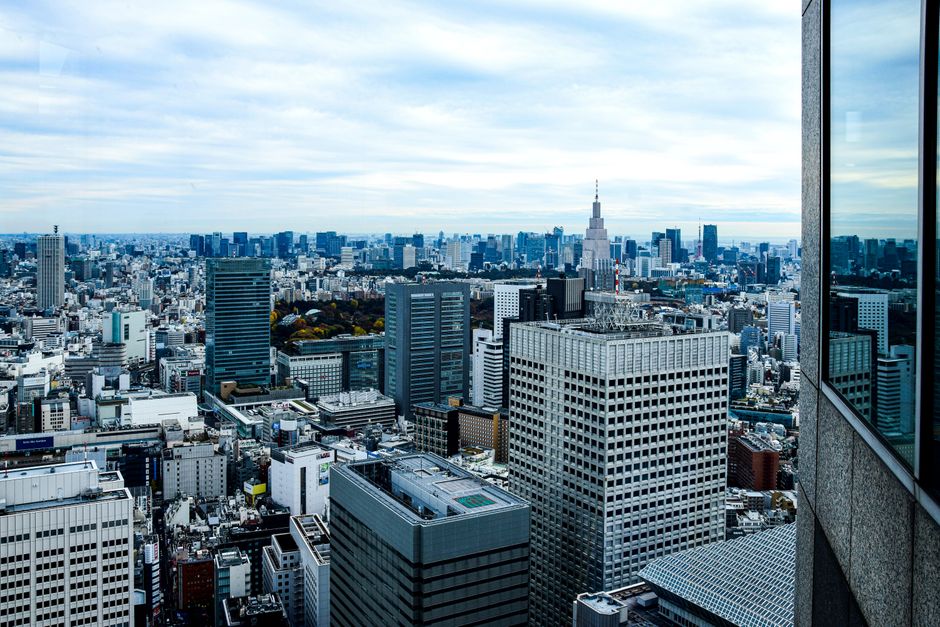
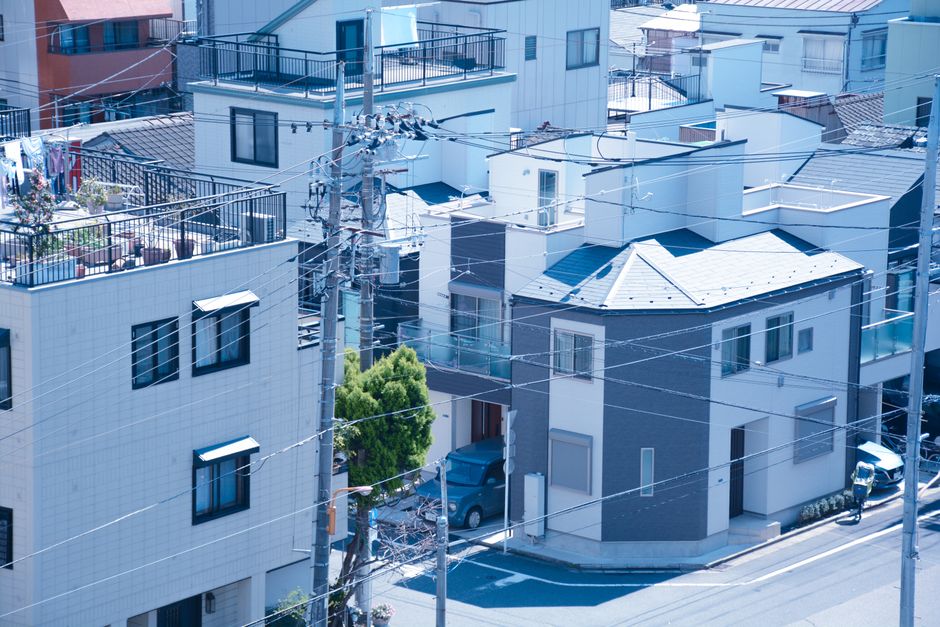
The Yamanote Line circle remains Tokyo's gravitational centre, with Shibuya and Shinjuku commanding premium valuations justified by transit access and commercial density. Yet increasingly, data-savvy buyers are looking west and south. Musashino and Suginami wards have become family-buyer strongholds, offering three-bedroom apartments at roughly 30–40% below central prices while maintaining direct rail access via the Chuo and Marunouchi lines. Near Koenji Station in Suginami—historically bohemian, now gentrifying—prices have climbed steadily without the speculative froth of Shibuya proper.
Outer metropolitan growth corridors tell a similar story. Areas along the Saitama-bound Saikyo Line and the expanding Tsukuba Express corridor are attracting young families and remote workers seeking space without sacrificing connectivity. A modest two-bedroom apartment in Kita-Yono or Asaka runs ¥25–35 million—a meaningful difference for buyers with ¥10–15 million down payments.
What should first-timers watch? Proximity to train stations remains non-negotiable in Tokyo; a five-minute walk to a major line typically adds 10–15% to unit values. Zoning matters too. Mixed-use neighbourhoods—where residential, retail, and small office space coexist—tend to weather economic cycles better than purely residential blocks. Check local ward governments' publicly available land-use plans; they telegraph major infrastructure and development projects years ahead.
Transaction velocity signals health. Markets where properties sell within 3–4 months suggest balanced supply and demand. Conversely, listings lingering beyond six months may indicate overpricing relative to neighbourhood fundamentals.
Consider also demographic tailwinds. Wards like Nakano and Setagaya, with younger resident populations and active commercial strips along Chuo-Dori and Meiji-Dori respectively, typically outpace aging suburban pockets. Cultural anchors matter—proximity to parks, universities, or established entertainment districts like Shimokitazawa boosts long-term desirability.
Finally, engage a local shaken (real estate agent) versed in your target ward's regulatory environment. Tokyo's building codes and inheritance tax implications are complex. First-timers who skip professional guidance often miss opportunities or overpay for structural liabilities buried in property records.
The market rewards patience and specificity. Tokyo's neighbourhoods are not monolithic; ¥55 million means very different things in different postcodes. Do your homework, then commit.
This article was compiled by AI from the sources linked above and screened before publishing. See our editorial standards.
How does this story make you feel?
Spread the word
About this article
Published by The Daily Tokyo
Daily brief
Free, in your inbox before 7am. Weekdays.
More in Property