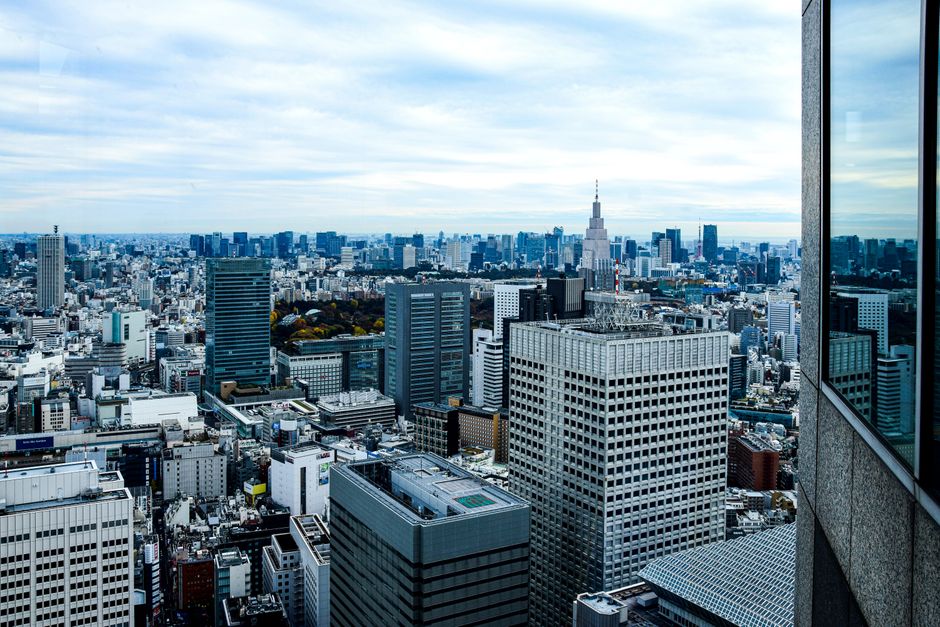
Tokyo's rental market has entered unfamiliar territory. After decades of landlord dominance, vacancy rates across central wards have compressed to levels not seen since the early 2000s, fundamentally altering the negotiating position of renters and property owners alike.
The shift is most pronounced in high-demand zones. In Shibuya and Shinjuku, where monthly rents for a modest two-bedroom apartment hover around ¥180,000–¥220,000, landlords who once held multiple applications for every listing now face extended periods without tenants. Meanwhile, properties along the Yamanote Line loop—traditionally the safest investment—show vacancy clusters that would have been unthinkable five years ago. According to real estate data aggregators, central Tokyo's residential vacancy rate sits at roughly 8–9%, well above the national average of 6%.
The pressure has created unexpected winners and losers. Tenants hunting in neighborhoods like Musashino and Suginami, long considered family-friendly outposts for commuters, now encounter landlords willing to negotiate key money, offer move-in concessions, or waive initial fees. At ¥120,000–¥150,000 for comparable units, competition softens when vacancies rise. One renter in the Ogikubo area reported successfully negotiating a ¥15,000 monthly reduction after touring three competing properties within a single train station vicinity.
But this reversal punishes property owners. The economics of rental investment—already tight across Japan's aging portfolio—deteriorate when yield compresses further. Smaller independent landlords, particularly those with single units or modest portfolios, face pressure to lower rents or absorb extended vacancy costs. Management companies report mounting calls from owners seeking conversion or sale strategies rather than enduring protracted empty periods.
The data tells a cautionary tale for both sides. Property management networks across central Tokyo report average lease renewal times have lengthened from 2–3 weeks to 4–6 weeks. For landlords, that translates directly to lost revenue. For tenants, the expanded window means greater leverage—but only if they can afford to wait and possess flexibility on location.
The broader context matters too. Tokyo's rental market remains fundamentally undersupplied in outer metropolitan rings like Nakano and Itabashi, where affordability pressures persist. The vacancy story is primarily a central-ward phenomenon driven by immigration patterns, work-from-home adoption, and an aging renter demographic relocating to smaller units or beyond the city.
For now, Tokyo's rental market rewards patience. Tenants who shop deliberately across Shibuya's secondary streets or Shinjuku's quieter blocks will find unprecedented flexibility. Landlords, conversely, face a reckoning: adapt pricing and amenities, or watch properties sit vacant longer than ever before.
This article was compiled by AI from the sources linked above and screened before publishing. See our editorial standards.