Tokyo Apartment Investment Yields 2026: New-Build Returns Explained
847 new residential projects approved across Shibuya and Shinjuku reveal compressed yields of 2.8–3.2%. Discover what Yamanote Line new-build prices mean for Tokyo rental returns.
847 new residential projects approved across Shibuya and Shinjuku reveal compressed yields of 2.8–3.2%. Discover what Yamanote Line new-build prices mean for Tokyo rental returns.
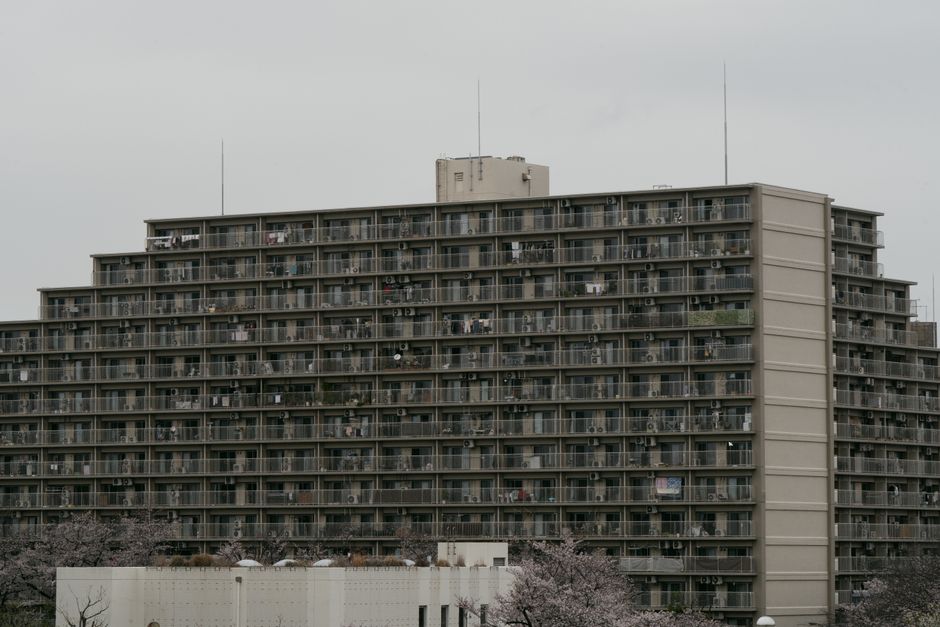
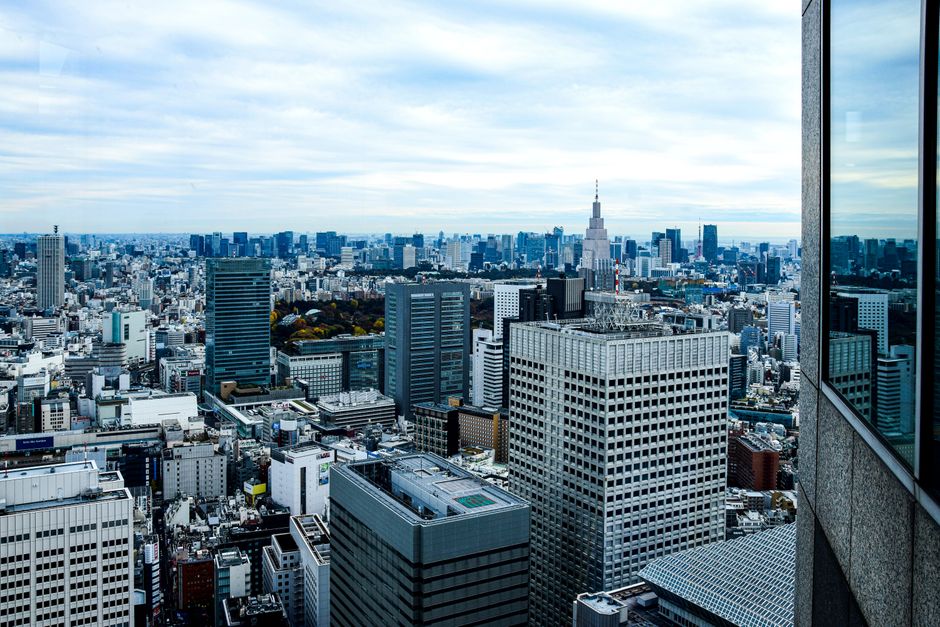
Tokyo's construction pipeline has swollen to levels unseen since the 2020 Olympics fever. The Metropolitan Government approved 847 new residential projects in the first half of 2026, with combined floor area exceeding 3.2 million square metres. Yet beneath the headline growth sits a harder truth for investors: gross yields on new Tokyo apartments have compressed to 2.8–3.2 percent annually, down from 3.5 percent five years ago.
The pattern is most visible along the Yamanote Line's eastern flank. A 42-storey mixed-use tower near Uguisudani Station, completed this month, priced studios at ¥48–52 million and one-bedroom units at ¥72–78 million. At those levels, a landlord banking on ¥1.8 million annual rent faces a gross yield of just 2.9 percent—respectable in London or Sydney, but historically lean for Tokyo.
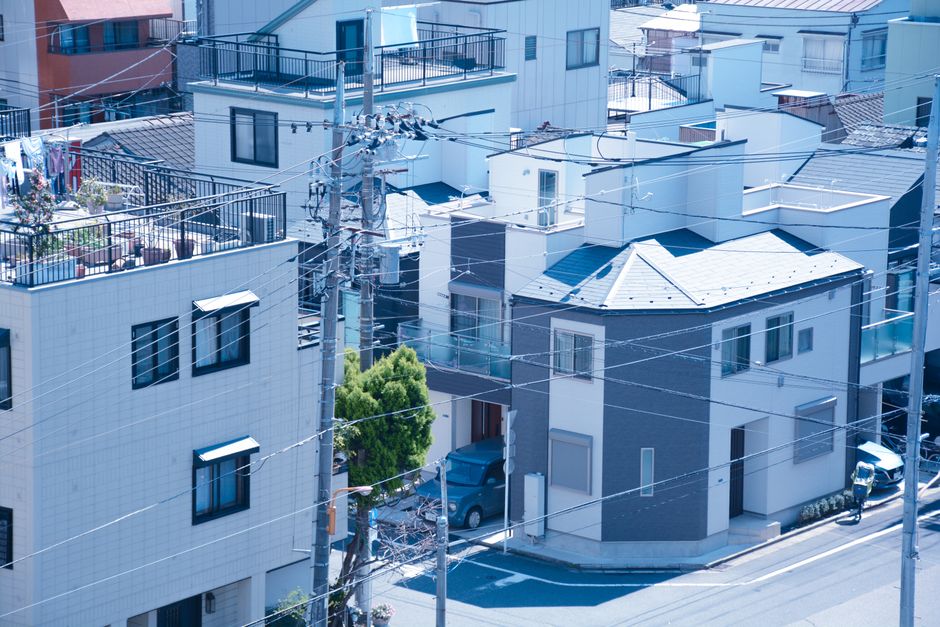
Outer metropolitan zones tell a different story. Developments in Musashino and Suginami—where land costs remain 40–45 percent below inner-ward benchmarks—are delivering 3.8–4.1 percent yields. A new 120-unit complex on Inokashira Street in Mitaka, opening October, priced two-bedroom apartments at ¥38 million with anticipated monthly rents of ¥155,000. Developers there are banking on family-buyer demand and population growth, not speculation.
What's driving this bifurcation? Approval timelines have lengthened. The average project from initial filing to construction commencement now spans 28 months, up from 19 in 2021. Rising labour costs—skilled construction workers now command ¥4,500–5,200 per hour—have inflated hard costs by 12 percent year-on-year. Material inflation adds another layer: structural steel prices remain 18 percent above 2019 levels.
For investors, the mathematics favour patient capital. A ¥55 million apartment in central Shibuya generating ¥1.65 million annual gross rent yields 3 percent. After property tax, insurance, and maintenance reserves (typically 8–12 percent of rent), net yield falls to 1.8–1.9 percent. By contrast, Suginami's 4-percent gross yield translates to 2.7–2.9 percent net—a meaningful spread over five to ten-year horizons.
Real Estate Investment Trusts tracking Tokyo residential have responded by shifting allocation weights. J-REIT portfolios now hold 34 percent in outer-metro assets versus 28 percent in 2024. The message is clear: premium locations trade on scarcity and prestige; outer zones trade on cash flow predictability.
For developers and institutional buyers, the approval surge masks an uncomfortable reality. More supply chasing slower rental growth equals margin compression. Only those betting on demographic patience—or strategic repositioning into higher-yield zones—will capture meaningful returns from Tokyo's construction boom.
This article was compiled by AI from the sources linked above and screened before publishing. See our editorial standards.
How does this story make you feel?
Spread the word
About this article
Published by The Daily Tokyo
Daily brief
Free, in your inbox before 7am. Weekdays.
More in Property