Tokyo's climbing boom reveals shift toward measured risk in fitness culture
Participation data shows outdoor adventure sports are reshaping how Japan's urban professionals approach wellness—with growing numbers willing to embrace calculated danger.
Participation data shows outdoor adventure sports are reshaping how Japan's urban professionals approach wellness—with growing numbers willing to embrace calculated danger.
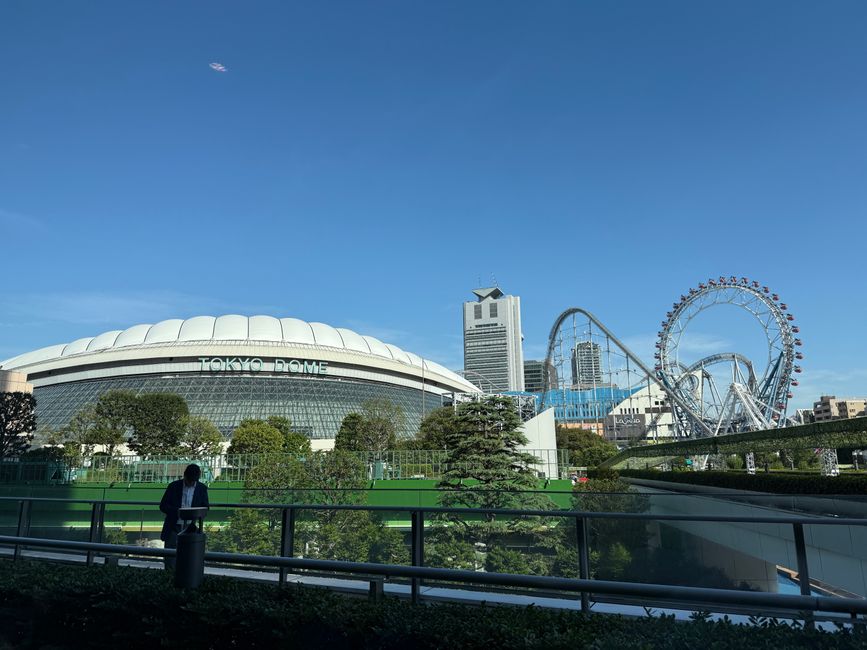
Tokyo's fitness landscape is undergoing a quiet revolution. While traditional gyms and yoga studios remain popular, participation in outdoor climbing and extreme sports has surged dramatically over the past three years, offering a window into how Japan's fitness culture is evolving toward more adventurous and psychologically demanding pursuits.
The Japan Climbing Association reported a 47% increase in registered outdoor climbers between 2023 and 2026, with Tokyo accounting for nearly 35% of new participants nationwide. This shift is most pronounced among professionals aged 25-40, who represent 62% of new climbing gym memberships across central wards. Major facilities like the five-storey climbing complex in Yoyogi and newer bouldering gyms throughout Shibuya and Shinjuku report capacity constraints during weekday evenings—a stark contrast to the quieter periods indoor climbing experienced just five years ago.
What makes this trend particularly revealing is its contrast to Japan's historically cautious approach to recreational risk. The average climbing gym membership in central Tokyo costs ¥12,000-15,000 monthly, yet waiting lists stretch three to six months at premium locations. Equipment rental and instruction packages add another ¥5,000-8,000 per session. These aren't casual expenses for hobby dabbling; they suggest participants view climbing as a serious commitment to both physical and mental development.
Data from Tokyo's outdoor climbing destinations tells a similar story. Mount Takao, traditionally a hiking destination, now hosts over 18,000 climber visits annually—a figure that has tripled since 2021. The Okutama climbing areas west of the city have expanded their infrastructure to accommodate demand, with guided expedition companies reporting bookings six weeks in advance during peak seasons.
Perhaps most intriguingly, participation patterns reveal a demographic shift in Japanese fitness culture away from purely aesthetic goals. Climbing facilities report that approximately 71% of new members cite mental wellbeing, problem-solving, and personal challenge as primary motivations—ahead of weight management or muscle building. This mirrors global trends but arrives later to Japan, suggesting an emerging cultural permission to pursue risk and failure as legitimate wellness tools.
The climbing sector's growth also reflects broader urbanisation patterns. Professionals working extended hours in Marunouchi and Chiyoda wards increasingly view adventure sports as psychological counterweight to desk-bound careers. Climbing's unique demand for full-body engagement and active problem-solving within controlled risk parameters appears particularly suited to Tokyo's high-stress professional culture.
As extreme sports become integrated into mainstream Tokyo fitness, the data suggests something deeper: permission to embrace discomfort, failure, and measured risk as valid approaches to health—a notable evolution for a culture traditionally emphasizing controlled, predictable achievement.
This article was compiled by AI from the sources linked above and screened before publishing. See our editorial standards.
How does this story make you feel?
Spread the word
About this article
Published by The Daily Tokyo
Daily brief
Free, in your inbox before 7am. Weekdays.
More in Sport