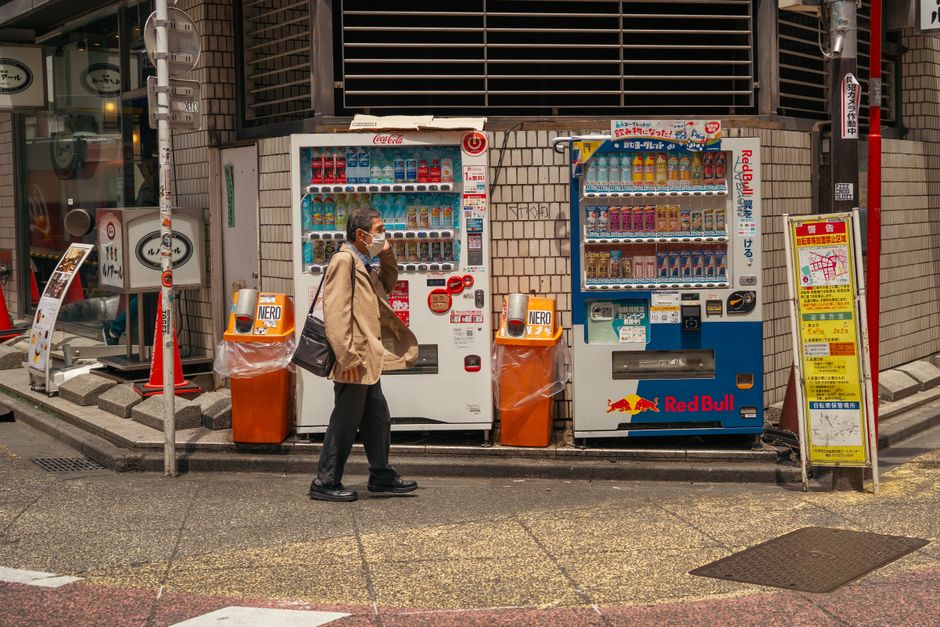
Tokyo's reputation as a relentless metropolis masks a quieter truth: residents across the city are actively reshaping their relationship with stress through accessible, locally rooted practices.
In neighbourhoods from Minato to Chiyoda, community-led mindfulness initiatives are gaining traction. The Imperial Palace 5km running circuit has become more than a fitness hub—morning joggers and walkers report that the meditative rhythm of the route, framed by heritage structures and manicured gardens, offers psychological relief that complements physical conditioning. Local wellness centres near Iidabashi Station now integrate breathing techniques into their programming, recognising what many Tokyoites instinctively know: movement and mental clarity are inseparable.
Yoyogi Park, Tokyo's cultural heart, hosts free weekend meditation sessions attended by dozens of regulars seeking respite from corporate pressure. The park's open spaces—a rarity in central Tokyo—provide what mental health advocates call "accessible green refuge." One wellness coordinator noted that participation in structured mindfulness activities across the city's parks has grown steadily, reflecting broader demand for stress management tools that don't require expensive gym memberships or specialist fees.
The onsen tradition, deeply embedded in Tokyo's wellness culture, continues evolving as a mental health intervention. Facilities throughout neighbourhoods like Ikebukuro and Asakusa now market their services explicitly for stress recovery, blending Japan's centuries-old thermal bathing practice with contemporary wellness language. This integration demonstrates how cultural heritage and modern mental health awareness can reinforce each other.
What makes these local transformations meaningful is their accessibility. Community centres across wards offer subsidised yoga and meditation classes—often ¥1,000–¥2,500 per session—making stress management tools available beyond affluent demographics. Digital wellness platforms developed by Tokyo-based organisations have also democratised guided mindfulness, with recorded sessions reflecting local landscapes and cultural contexts that resonate with residents.
The shift reflects broader recognition within Tokyo's healthcare ecosystem. The city's world-class medical infrastructure increasingly incorporates mental health screening and preventive stress management into standard wellness protocols, signalling institutional validation of what communities have been demonstrating: that sustainable mental health transformation happens through consistent, locally embedded practice.
For Tokyoites navigating the city's demanding pace, these stories share a common thread: transformation isn't about escaping the city, but about learning to inhabit it differently—with intention, community support, and practices rooted in both tradition and contemporary science.
This article was compiled by AI from the sources linked above and screened before publishing. See our editorial standards.