The Rise of Outdoor Boot Camps: What to Expect
As Tokyo's fitness culture evolves, military-style group training is taking over parks and waterfront spaces—here's what newcomers need to know.
As Tokyo's fitness culture evolves, military-style group training is taking over parks and waterfront spaces—here's what newcomers need to know.
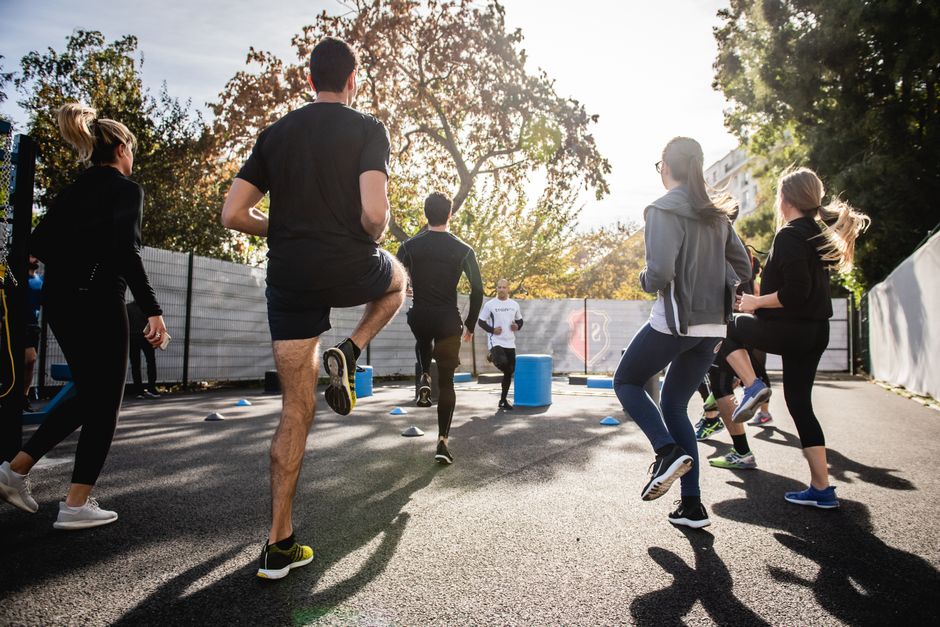
On any given Saturday morning in Yoyogi Park, you'll spot them: clusters of 20 to 40 people in athletic wear, moving in synchronized burpees and mountain climbers under the direction of a certified trainer. Outdoor boot camps have quietly become one of Tokyo's fastest-growing fitness phenomena, drawing everyone from office workers to retirees seeking structure and community beyond the traditional gym membership.
The shift reflects a broader pattern in urban wellness. According to fitness industry surveys conducted across major Japanese cities in 2025, group outdoor exercise participation increased 34 percent year-over-year, with boot camps representing the largest segment. Unlike solitary jogging or home workouts, these sessions offer accountability, expert guidance, and the psychological boost that comes from training alongside others—a principle long embedded in Japanese culture through onsen communities and group sports traditions.
Boot camps typically operate three to five times weekly in accessible locations. Yoyogi Park and the Imperial Palace 5km running circuit have become de facto hubs, but newer venues include waterfront areas around Odaiba and the tree-lined paths of Rikugien Garden. Sessions run 45 to 60 minutes and generally cost between ¥2,500 and ¥5,000 per class, with monthly passes offering discounts of 15 to 25 percent. Most trainers hold recognized certifications—NESTA, ACE, or equivalent Japanese qualifications—and tailor modifications for varying fitness levels.
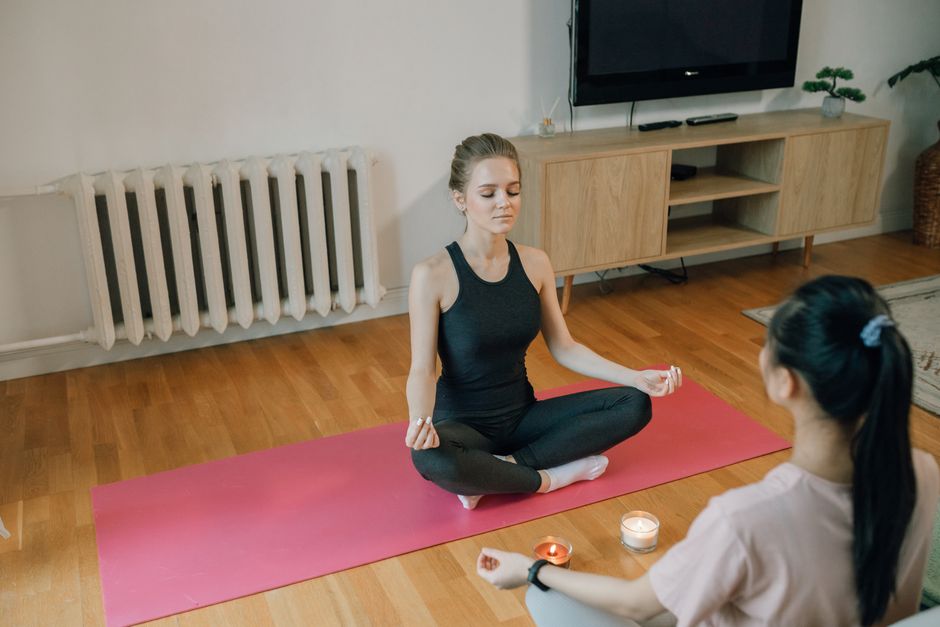
What distinguishes Tokyo's boot camp culture is its emphasis on precision and respect for form. Rather than the high-intensity, all-or-nothing approach popular in some Western markets, local trainers often incorporate recovery principles from traditional Japanese movement practices, building in dynamic stretching and breathing work between circuits. Many sessions now include mindfulness elements, reflecting the integration of wellness philosophy into mainstream fitness.
Newcomers should arrive 10 to 15 minutes early, wear weather-appropriate clothing (Tokyo's humidity demands breathable fabrics), and bring water. Most venues operate rain or shine, though summer sessions may shift to early morning slots. Many established groups—particularly those operating through community centers like those in Minato and Shibuya wards—offer first-time sessions free or at reduced cost.
The community aspect proves crucial to retention. Participants often exchange contact information, form smaller training pods, and organize social events. Some groups have evolved into informal accountability networks, checking in on each other's sleep, nutrition, and stress levels via messaging apps.
For those accustomed to solitary training, the transition requires openness. But Tokyo's boot camp boom suggests the city's fitness culture is increasingly recognizing what wellness experts have long known: we move better, and more consistently, together.
This article was compiled by AI from the sources linked above and screened before publishing. See our editorial standards.
How does this story make you feel?
Spread the word
About this article
Published by The Daily Tokyo
Daily brief
Free, in your inbox before 7am. Weekdays.
More in Wellness