Finding Your First Breath: A Beginner's Guide to Starting a Meditation Practice in Tokyo
Tokyo's wellness infrastructure makes it easier than ever to begin meditating—here's where to start, what to expect, and how to build a sustainable habit.
Tokyo's wellness infrastructure makes it easier than ever to begin meditating—here's where to start, what to expect, and how to build a sustainable habit.
Tokyo residents spend an average of 45 minutes commuting daily, according to recent Metropolitan Bureau data. For many, this stress compounds into sleepless nights and chronic tension. Yet the solution may be simpler than you think: meditation, a practice woven into Japanese culture for centuries through Zen Buddhism, is experiencing a renaissance among young professionals and families alike.
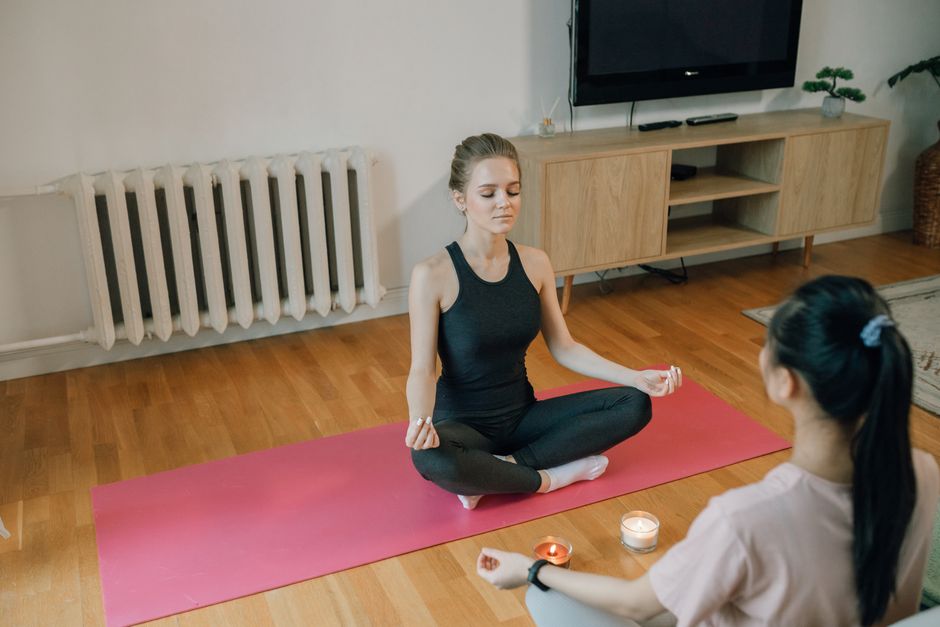
Starting a meditation practice requires nothing but intention and a quiet space—no membership, equipment, or prior experience necessary. Begin with just five minutes daily. Sit upright, close your eyes, and focus on your natural breath. When your mind wanders—it will—gently return attention to your breathing without judgment. This is the practice. Consistency matters more than duration.
Tokyo offers multiple entry points for beginners. The Japan Meditation Association operates centres across Shibuya and Shinjuku, offering drop-in classes at ¥2,500–¥3,500 per session. For those preferring free, community-led options, Yoyogi Park hosts informal meditation circles on weekend mornings, reflecting the neighbourhood's longstanding wellness culture. Apps like Insight Timer provide Japanese-language guided sessions, many free, ideal for morning practice before work.
The traditional onsen experience—deeply embedded in Tokyo's wellness identity—naturally complements meditation. Many facilities now incorporate silent bathing practices or post-soak meditation spaces. This aligns your practice with local custom rather than importing it wholesale.
Practical logistics matter. Set a consistent time: many find early morning, before Chiyoda Line crowds, most effective. Designate a corner of your home—even a small tatami space or window seat in Minato works. Wear comfortable layers; Tokyo's humidity can distract. Summer heat shouldn't deter you; meditation actually helps regulate body temperature perception, useful during current heatwaves.
Common beginner mistakes include expecting immediate calm—meditation is skill-building, not magic—and abandoning practice after scattered attempts. Research from Tokyo Medical and Dental University shows eight weeks of consistent practice produces measurable stress reduction. This timeline is realistic for forming habit.
Track progress through a simple notebook rather than apps initially. Noting time practised, mood before and after, and any physical sensations creates accountability without digital distraction.
Tokyo's healthcare system recognises meditation's benefits; many clinics now recommend it for anxiety and sleep disorders. Consult your local medical professional if meditation complements existing health concerns.
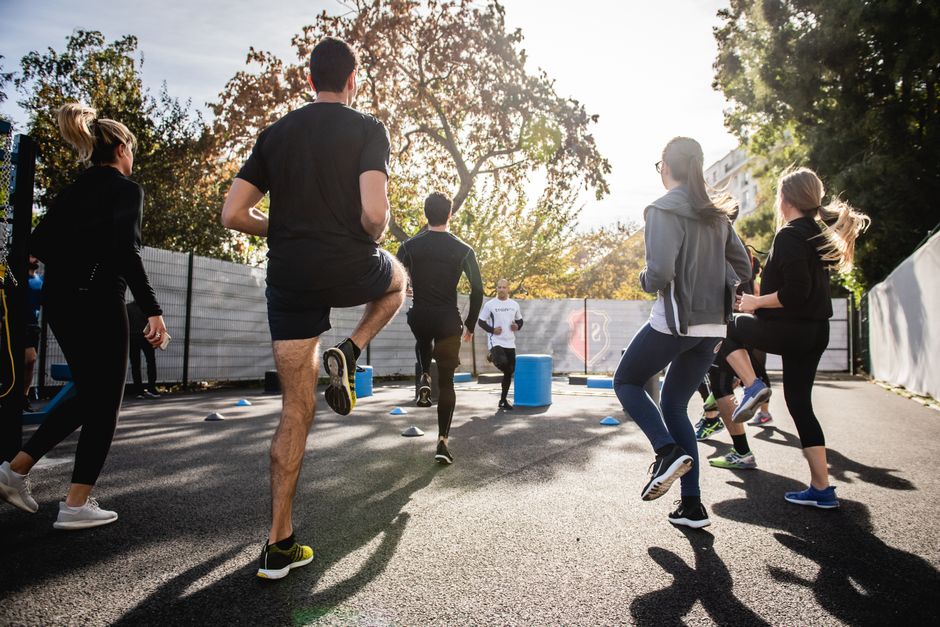
The Imperial Palace's 5km running circuit attracts thousands seeking movement-based mindfulness. Meditation offers an equally valid path—stillness as powerful as motion. Your neighbourhood, your schedule, your breath: these are your only requirements to begin.
This article was compiled by AI from the sources linked above and screened before publishing. See our editorial standards.
How does this story make you feel?
Spread the word
About this article
Published by The Daily Tokyo
Daily brief
Free, in your inbox before 7am. Weekdays.
More in Wellness