Screen Time and Sleep: What the Research Actually Shows
Tokyo's sleep scientists separate myth from fact—and what it means for your bedtime habits.
Tokyo's sleep scientists separate myth from fact—and what it means for your bedtime habits.
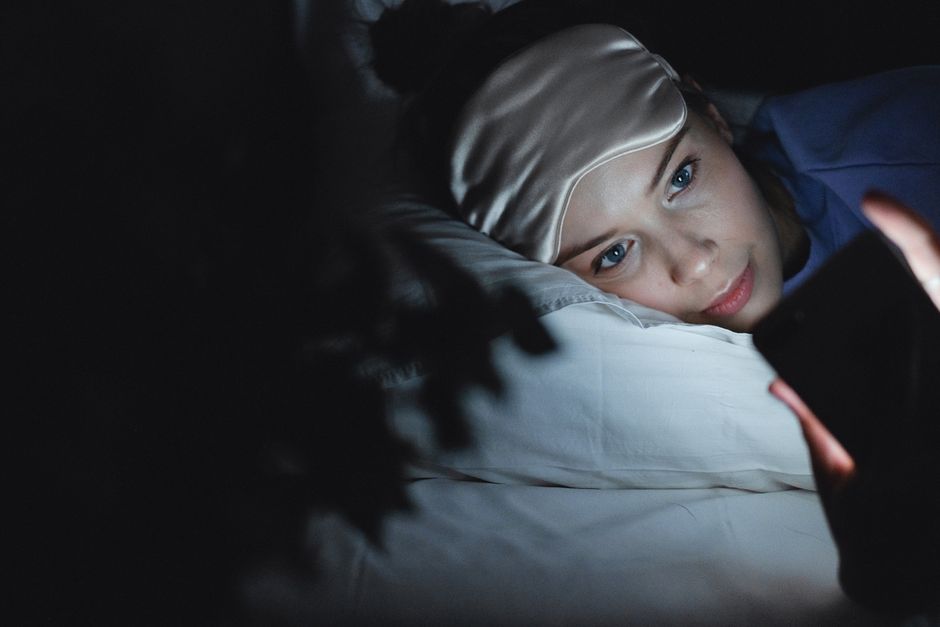
Walk through Shibuya or Shinjuku on any evening, and you'll see the same scene: commuters hunched over phones on the train, office workers checking emails at izakayas, families scrolling in bed. Japan's screen dependency is real—the average Tokyo resident spends 8.2 hours daily on digital devices, according to 2025 telecommunications data. But does that midnight scroll actually wreck your sleep?
The answer, surprisingly, is more nuanced than the "blue light is evil" narrative that dominates wellness discourse.
Recent sleep research from Tokyo Medical University and the National Center of Neurology and Psychiatry reveals that while excessive screen time before bed correlates with poor sleep quality, the culprit isn't simply blue light wavelengths. Instead, the real mechanism involves behavioral patterns: screens keep your brain cognitively engaged when it should be winding down. A study of 2,400 Tokyo residents found that those who checked work messages within 90 minutes of sleep reported 40% worse sleep quality—regardless of whether they used blue-light filters.
"The timing matters far more than the technology," explains the research consensus. A 20-minute Instagram session at 10 p.m. produces different neurological effects than the same activity at 6 p.m.
What does this mean practically? Consider the lifestyle patterns of wellness-focused Tokyo neighborhoods like Aoyama and Roppongi, where residents increasingly adopt "digital sundown" practices—not because of pseudoscience, but because the behavior itself (putting devices away) signals to your body that sleep is approaching. The Roppongi Hills wellness center reports that their members who implement screen-free evenings see sleep-quality improvements within two weeks, independent of other factors.
The research also clarifies that moderate evening screen use—messaging a friend, reading news—poses minimal sleep disruption if you stop 60-90 minutes before bed. The problems emerge with high-intensity activities: gaming, video binges, or work email threads that trigger stress responses.
For Tokyo's commuter culture, practical solutions matter. Rather than doomscrolling during the Chiyoda Line commute home, consider audiobooks or podcasts—which don't activate the same arousal pathways. At home, establish boundaries: phones outside the bedroom, or at minimum, face-down on the nightstand.
The onsen tradition—present in neighborhoods from Ikebukuro to Odaiba—actually demonstrates the principle: the ritual signals transition, temperature change aids sleep onset, and enforced phone-free time removes digital stimulation. That's not mystical; it's behavioral science.
Your sleep quality depends less on technology itself, and more on how intentionally you use—or avoid—it.
This article was compiled by AI from the sources linked above and screened before publishing. See our editorial standards.
How does this story make you feel?
Spread the word
About this article
Published by The Daily Tokyo
Daily brief
Free, in your inbox before 7am. Weekdays.
More in Wellness