Sleep Better in Tokyo: Evidence-Based Tips That Actually Work for Local Conditions
From managing humidity in Minato Ward to timing your onsen visits, here's what the science says about rest in Japan's capital.
From managing humidity in Minato Ward to timing your onsen visits, here's what the science says about rest in Japan's capital.
Tokyo's sleep crisis is real. According to the Japan Broadcasting Corporation's 2024 wellness survey, Tokyo residents average 6.3 hours nightly—below the WHO's recommended 7-9 hours. But neuroscientists and sleep medicine specialists say targeted adjustments for our specific environment can make measurable difference.
Start with humidity management. Tokyo's summer months push moisture levels toward 80%, which disrupts REM sleep cycles. The Japanese Society of Sleep Medicine recommends keeping bedroom humidity between 40-60%. Rather than expensive systems, residents in Shibuya and Shinjuku report success with affordable dehumidifiers (¥3,000-8,000) running during rainy seasons. One proven local habit: leaving windows open during early morning hours when humidity naturally drops.
Timing matters more than you'd think. Research from Tokyo Medical University shows that residents who exercise along the Imperial Palace's 5km circuit before 10am sleep 23 minutes longer than evening exercisers—likely because natural light exposure regulates circadian rhythms more effectively in morning hours. The additional benefit: reduced crowding compared to post-work slots.
The onsen timing question receives frequent inquiry. While the tradition is therapeutic, bathing 60-90 minutes before bed optimizes sleep onset. The initial temperature drop after leaving hot water signals your body to produce melatonin. Facilities like those in Odaiba or traditional bathhouses in Asakusa (typically ¥1,500-3,000) become evening wellness anchors when timed correctly, though the last entry around 10pm generally proves counterproductive.
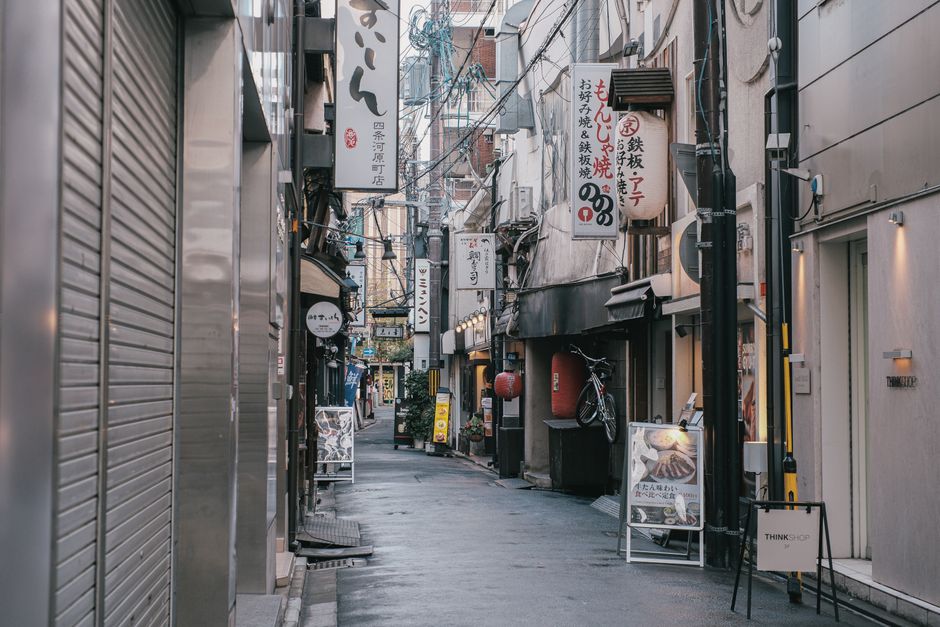
Blue light exposure demands local attention. Tokyo's high-density neon signage—particularly dense in areas like Kabukicho and Shinjuku—creates ambient light pollution that suppresses melatonin production. Sleep scientists recommend blackout curtains (readily available at Tokyu Hands stores across the city) rather than relying solely on phone filters.
Diet timing aligns with Japanese meal patterns better than Western advice suggests. The traditional lighter dinner eaten earlier (by 7pm) allows proper digestion before sleep, supporting findings from the National Center of Neurology and Psychiatry. Heavy ramen or tonkatsu meals after 8pm correlate with reduced sleep quality in local studies.
Finally, temperature control. Tokyo's average summer bedroom temperature hovers around 28°C—slightly high for optimal sleep. Studies show 16-19°C produces best results, achievable through strategic air conditioning or strategic window positioning during cooler hours.
These adjustments cost little and leverage Tokyo's existing infrastructure and rhythms. Small changes, when evidence-based and locally adapted, compound into genuine rest improvement. Consult healthcare providers at your local ward clinic if sleep issues persist despite environmental adjustments.
This article was compiled by AI from the sources linked above and screened before publishing. See our editorial standards.
How does this story make you feel?
Spread the word
About this article
Published by The Daily Tokyo
Daily brief
Free, in your inbox before 7am. Weekdays.
More in Wellness