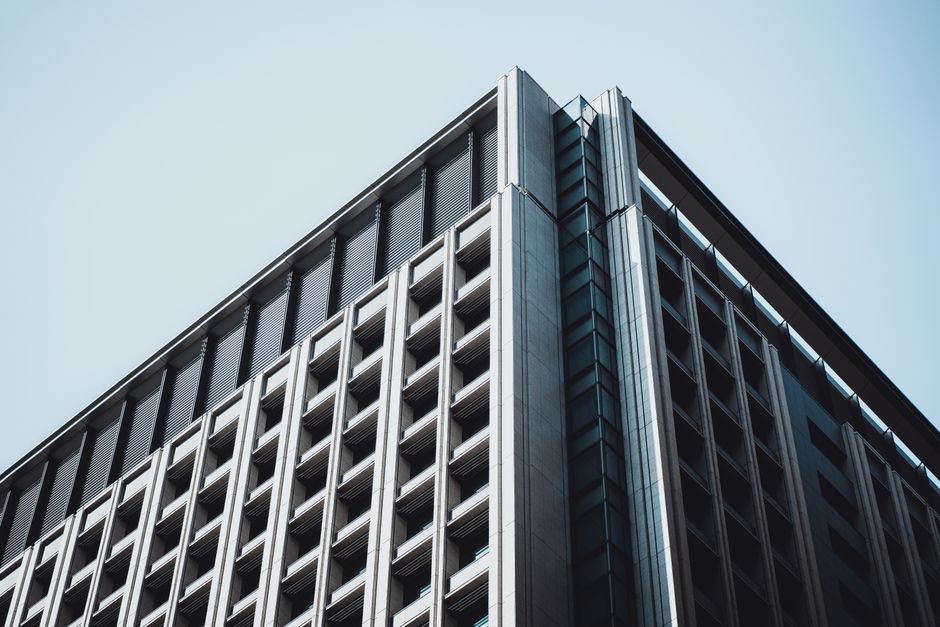
Tokyo's Office Boom Is Reshaping Your Neighbourhood—Here's What It Means for Rents and Daily Life
As commercial property prices surge across central wards, residents face rising housing costs and changing streetscapes in familiar neighbourhoods.
As commercial property prices surge across central wards, residents face rising housing costs and changing streetscapes in familiar neighbourhoods.
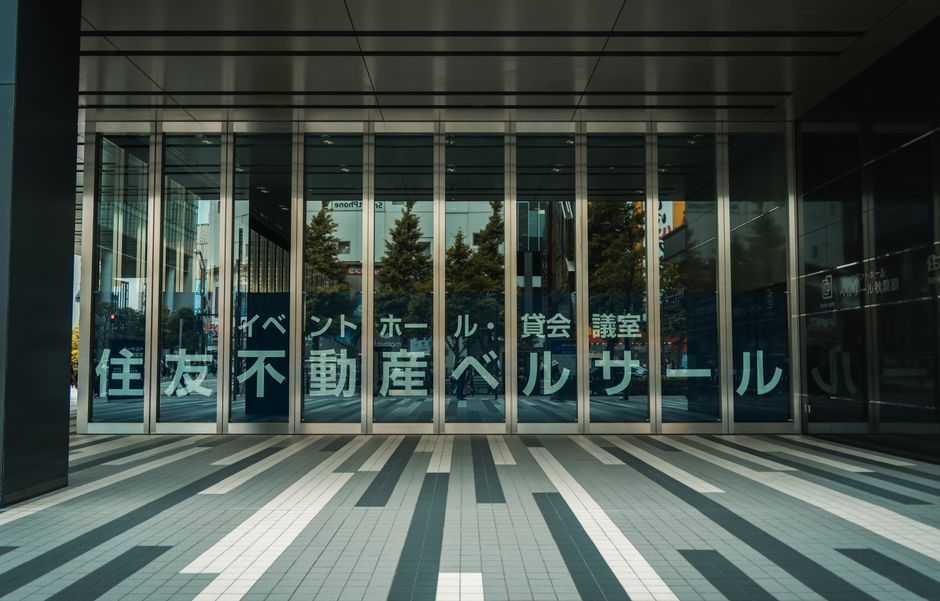
Tokyo's commercial real estate market is undergoing a significant transformation, and the ripple effects are already visible on the ground level where ordinary residents live and work. Understanding these shifts matters because they directly influence housing affordability, neighbourhood character, and the cost of everyday services across the city.
The numbers tell a striking story. Prime office space in Chiyoda ward—particularly around the Marunouchi and Otemachi corridors—has seen asking rents climb to ¥15,000 to ¥18,000 per square metre annually, up roughly 12% from two years ago. Similar pressures are building in Minato ward's Roppongi and Azabu-Juban districts, where foreign investment firms continue competing aggressively for modern office towers. This commercial demand has a predictable consequence: landlords in adjacent residential areas are raising rents in anticipation of future redevelopment.
The most visible impact is densification. Neighborhoods like Shinagawa and Osaki, once characterised by mixed-use streets and smaller shops, now feature gleaming office complexes interspersed with residential towers. The convenience store on your corner may disappear, replaced by a corporate lobby. A small ramen shop that served salarymen for thirty years might relocate because the landlord can earn significantly more from a commercial tenant.
Commute patterns are shifting too. The traditional flow of workers from outer wards toward the CBD during rush hours is becoming more dispersed. Satellite office parks in areas like Kawasaki and Yokohama are drawing companies seeking lower rents, meaning your train during peak hours might actually feel slightly less crowded—though outer-ward housing prices are consequently rising as remote workers seek cheaper accommodation with easier access to central offices.
For renters and small-business owners, the lesson is practical: if you're considering a long-term lease in central or near-central wards, expect to negotiate from a position of weakness. Landlords are factoring in commercial development potential into residential rents. Properties near major train stations—Shibuya, Shinjuku, Ikebukuro—command premiums that reflect underlying office demand, not just residential desirability.
The silver lining? Improved infrastructure. New office developments typically bring upgraded pedestrian plazas, green spaces, and public facilities. Shibuya's recent redevelopment created accessible parks that benefit everyone, not just office workers. However, these amenities often come with rising service costs and a more corporate, less local feel.
For Tokyo residents, the takeaway is clear: the commercial property boom is reshaping your city in real time, making it essential to understand these market forces when making housing decisions or long-term financial plans in neighbourhoods you call home.
This article was compiled by AI from the sources linked above and screened before publishing. See our editorial standards.
How does this story make you feel?
Spread the word
About this article
Published by The Daily Tokyo
Daily brief
Free, in your inbox before 7am. Weekdays.
More in Business