Tokyo's Market Reality Check: What Businesses Need to Know as Summer Pressures Mount
Rising costs, volatile currency movements, and shifting consumer behaviour are reshaping the capital's investment landscape—here's what matters most right now.
Rising costs, volatile currency movements, and shifting consumer behaviour are reshaping the capital's investment landscape—here's what matters most right now.
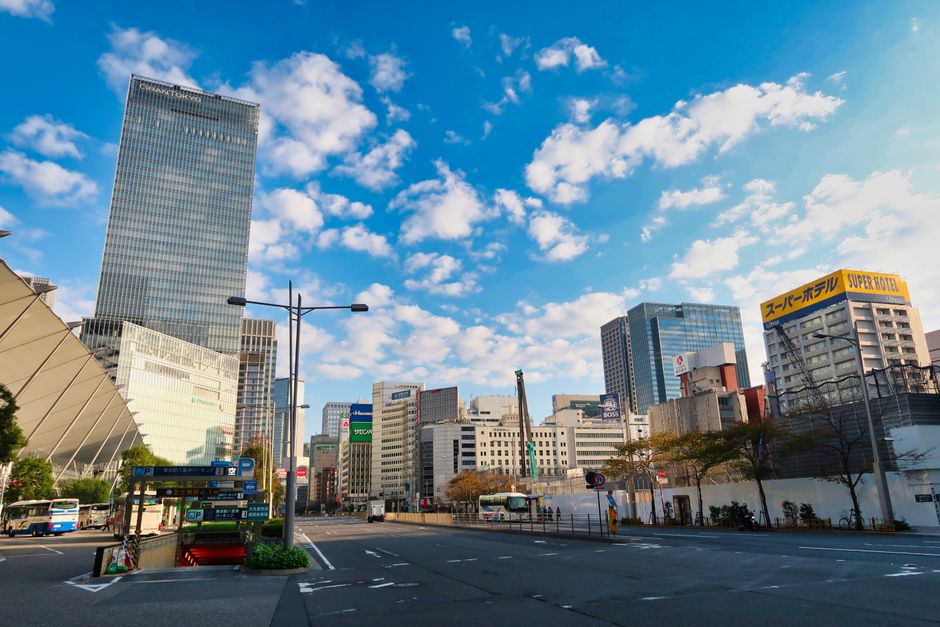
Tokyo's business district is experiencing a peculiar squeeze. While the Nikkei 225 has climbed steadily through 2026, the ground-level reality for companies operating in Minato Ward and beyond tells a more complicated story: margin pressure is real, and the cost of doing business in Japan's capital continues climbing.
Real estate remains a critical concern. Office space in Marunouchi now commands ¥15,000–¥18,000 per square metre annually—a 12% jump since early 2025. For mid-sized tech firms and startups clustered around Otemachi and Nihonbashi, this translates directly into recruitment challenges. Young professionals are increasingly willing to relocate to Yokohama or Kawasaki where rental costs are 20–30% lower, forcing Tokyo-based firms to offer higher salaries or risk talent drain.
The yen's recent volatility has created both opportunity and anxiety. Currency fluctuations between 140–155 per dollar have benefited export-focused manufacturers but complicated planning for firms reliant on imported components or overseas investment. Businesses need to reassess hedging strategies, particularly those in the pharmaceutical and electronics sectors that feed global supply chains.
Consumer spending patterns are also shifting. Research indicates Tokyo residents are increasingly trading premium goods for value alternatives—observable in the success of discount retailers and convenience store meal solutions even in affluent Shibuya and Shinjuku neighbourhoods. This trend threatens traditional department stores and mid-range retailers but rewards adaptive operators who embrace omnichannel strategies.
For investors, the June 2026 landscape demands selectivity. The Bank of Japan's measured approach to interest rates has kept borrowing relatively cheap, yet inflation for essentials—food, utilities, transport—remains stubbornly above 2.5% annually. The Tokyo Metropolitan Government's ongoing infrastructure investments in the eastern wards offer opportunities, but returns require patience.
Energy costs warrant specific attention. Tokyo Electric Power Company rates have risen modestly, but industrial users should monitor contracted terms carefully as nationwide power demand remains elevated. Green energy investments are gaining traction among institutional investors, though pricing remains premium.
The takeaway for Tokyo's business community: this is a period requiring disciplined capital allocation, realistic margin expectations, and geographic flexibility. Companies must balance the capital's undeniable advantages—market access, talent pools, infrastructure—against genuine cost pressures and demographic headwinds. Those who ignore these market signals do so at considerable risk.
This article was compiled by AI from the sources linked above and screened before publishing. See our editorial standards.
How does this story make you feel?
Spread the word
About this article
Published by The Daily Tokyo
Daily brief
Free, in your inbox before 7am. Weekdays.
More in Business