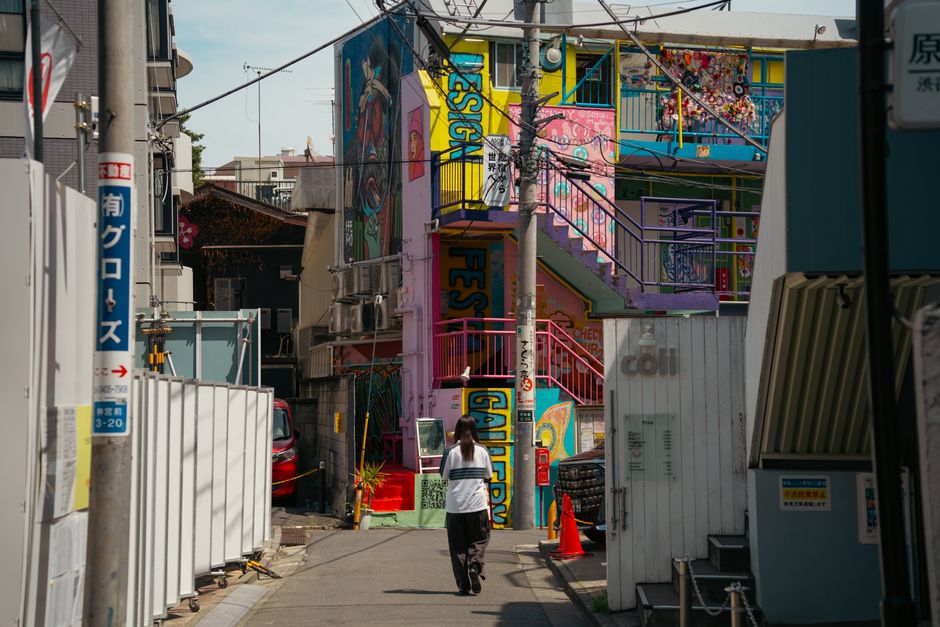
Walk through Yoyogi Park on any weekend this July, and you'll notice something different. The stages that once belonged exclusively to established names now host debut performances from artists whose Instagram followings number in the tens of thousands rather than millions. This summer marks a turning point in Tokyo's festival ecosystem, where emerging talent isn't merely opening acts—they're headliners.
The shift is most visible at Fuji Rock's newly expanded artist incubator programme, which launched in 2024 and has already secured 18 emerging acts for this year's lineup. But the real story is happening closer to home. Roppongi's Tokyo Midtown Design Hub has partnered with six independent venues—including Shimokitazawa's legendary space Mother and Shinjuku's newer venue Marble—to host "New Voices," a month-long series showcasing experimental music, performance art, and multimedia installations. Entry averages ¥2,500, with 65% of proceeds funnelled back to featured artists.
"Five years ago, young creators had to prove themselves in tiny basement venues for years," explains Yuki Tanaka, programming director at the Japan Arts Foundation. "Now there's recognition that emerging talent brings energy that benefits everyone—promoters, established artists, audiences." The data supports this: audience surveys from 2025 showed attendees aged 18-35 comprised 52% of festival crowds, up from 38% in 2020.
Shimokitazawa—perpetually Tokyo's bellwether for cultural currents—hosts the most ambitious entry: "Hatsudai," a three-week residency beginning July 5 that gives twenty artists each a solo evening performance across five participating venues. Previous participants have gone on to international recognition; last year's resident performer now tours with one of Japan's biggest experimental jazz collectives.
What's striking is the diversity of forms being greenlit. Beyond music, Harajuku's Omotesando Hills is hosting emerging fashion designers, while Ginza's Kabuki-za has allocated Wednesday matinées to independent theatre companies. Even the staid Hibiya Open-Air Concert Hall has commissioned three new works from composers under 30.
Yet accessibility remains uneven. Most emerging artist slots cluster in trendy inner-city wards; outer areas like Koenji and Nakano report fewer institutional partnerships despite thriving grassroots scenes. Festival organisers argue budget constraints are real, though critics note that institutional gatekeeping—however unintentional—shapes whose voices get amplified.
Still, the trajectory is clear. Tokyo's festival calendar isn't just accommodating the next wave; it's building the infrastructure to sustain them. That's generational change.
This article was compiled by AI from the sources linked above and screened before publishing. See our editorial standards.