Live Music Venues Tokyo: Best Clubs & Venues 2026
Discover Tokyo's top live music venues from Ginza jazz clubs to Shibuya rock halls. Find ticket prices, venues, and what's playing this summer.
Discover Tokyo's top live music venues from Ginza jazz clubs to Shibuya rock halls. Find ticket prices, venues, and what's playing this summer.
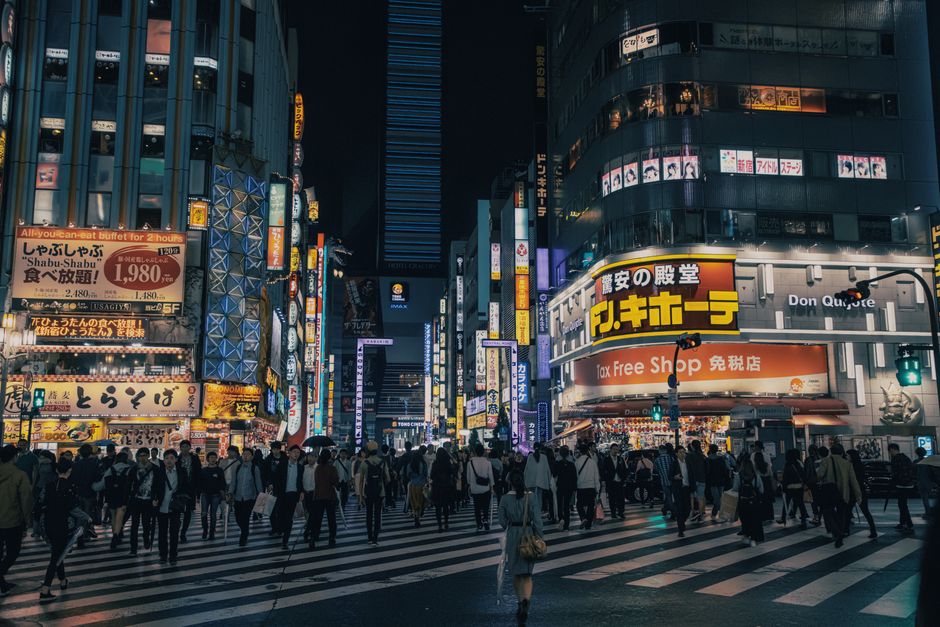
Tokyo's live music ecosystem has evolved dramatically over the past eighteen months, with venues adapting to shifting audience preferences and new technologies reshaping how fans experience performances. Whether you're seeking underground rock, classical recitals, or cutting-edge electronic music, the capital offers an unprecedented range of options this season.
The Shibuya district remains the epicenter of mid-sized rock and pop venues. Club Quattro, situated above the iconic Shibuya 109 shopping complex, continues booking both international acts and emerging Japanese artists across its two stages. Nearby, Verti Hall in the basement of another Shibuya landmark delivers an intimate 800-capacity experience that's become essential for indie and alternative fans. Expect ticket prices ranging from ¥3,500 to ¥8,000 for most shows.
For jazz aficionados, Ginza's Blue Note Tokyo remains Tokyo's premier destination, though venues like Saxophony in the quieter Akasaka district offer more affordable alternatives—many sets around ¥2,500 per person with a drink minimum. The Aoyama district, historically overshadowed by Shibuya, has quietly emerged as a hub for experimental and electronic music, with converted warehouse spaces hosting late-night events that attract devoted followers.
Large-scale festival culture dominates June through September. Tokyo's waterfront venues in Odaiba have hosted over 150 major concerts this year already, according to local promoters, with capacity crowds becoming the norm rather than exception. The reconfigured Tokyo Metropolitan Gymnasium in Shibuya now hosts emerging artists in a more accessible mid-tier venue that's filled a crucial gap between intimate clubs and massive arenas.
The National Theatre in Chiyoda remains invaluable for traditional performances, while the Tokyo Dome and MetLife Dome in Saitama continue dominating the stadium circuit. However, summer 2026 has seen unexpected demand surge for chamber performances at smaller classical venues throughout Marunouchi and Nihonbashi—a demographic shift worth monitoring.
Practical advice: booking platforms vary by venue type, with many mid-sized clubs still operating ticket offices on-site or through legacy systems. International visitors should download translation apps before visiting smaller venues, as English signage remains inconsistent. Peak season means weeknight shows often sell faster than weekends, contrary to typical patterns elsewhere.
Tokyo's live music infrastructure remains remarkably resilient and inventive, offering something genuinely compelling for every taste and budget.
This article was compiled by AI and screened before publishing. See our editorial standards.
How does this story make you feel?
Spread the word
About this article
Published by The Daily Tokyo
Daily brief
Free, in your inbox before 7am. Weekdays.
More in culture