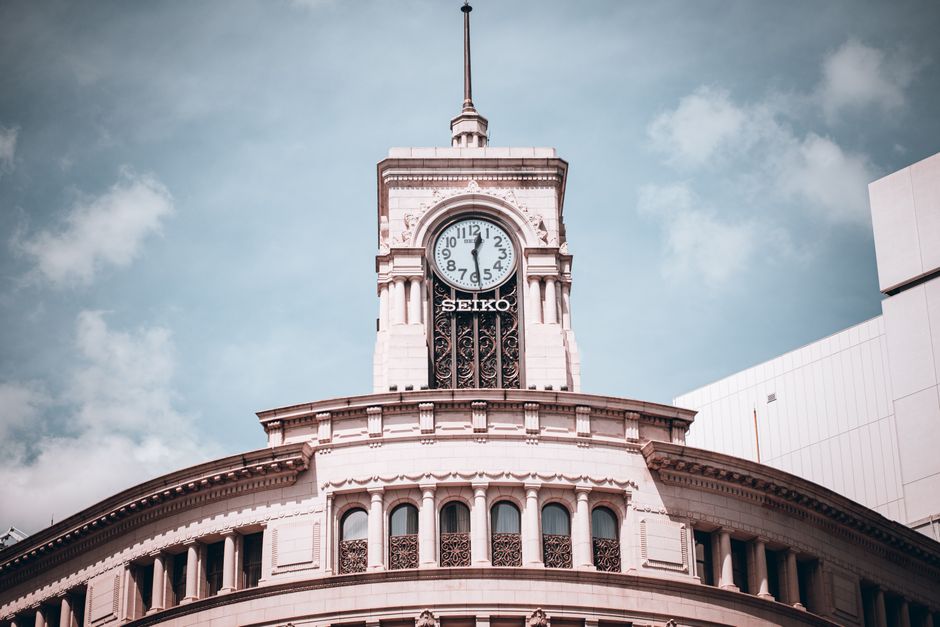
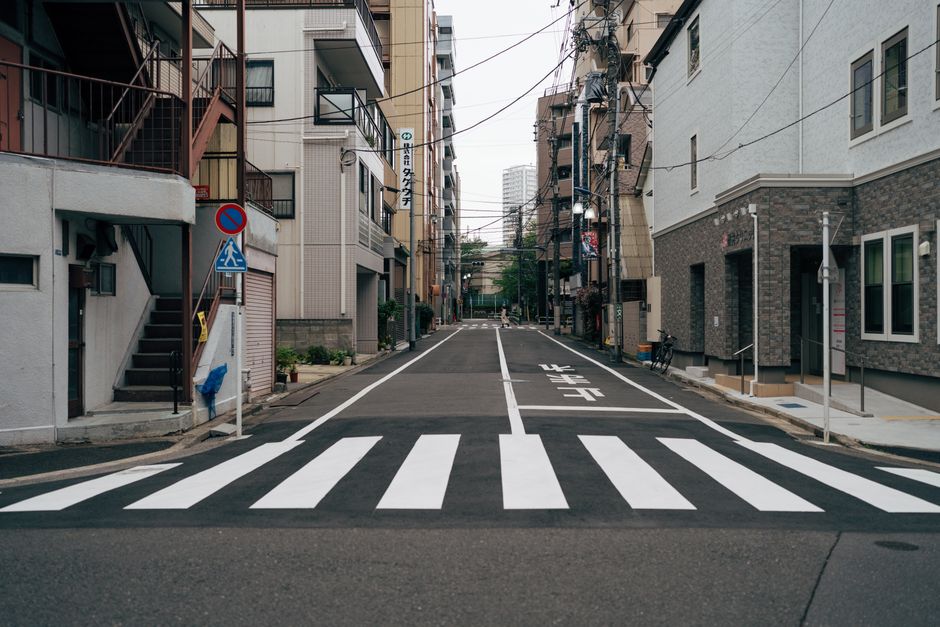
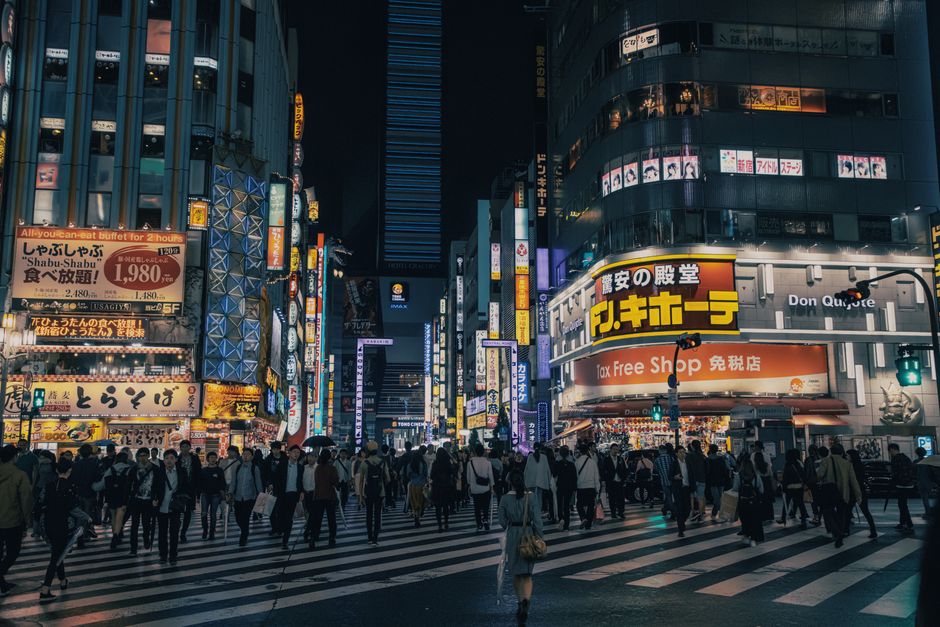
On any given Thursday evening, Shimokitazawa's narrow streets pulse with an electric energy that belies the neighbourhood's precarious history. Seven theatres within a ten-minute walk, experimental dance companies rehearsing above ramen shops, and a waiting list stretching months for performances at venues like Theatre x Pocket and Daido-Living Theatre—this isn't accident. It's the result of deliberate, often exhausting labour by a loosely connected network of cultural workers.
The transformation began in the early 2000s, when redevelopment threatened to obliterate the area's character entirely. "The local government wanted to turn Shimokitazawa into another Shibuya," explains the curatorial approach documented by researchers at Tokyo Metropolitan University's Performance Studies programme. Instead, small-scale theatre operators—many working with budgets under ¥3 million annually—began institutionalising the chaos that had always defined the neighbourhood.
Today, the district hosts over 60 theatres of varying sizes, from 50-seat black boxes tucked into converted warehouses to mid-scale venues like Setagaya Public Theatre's satellite space. Average ticket prices range from ¥2,500 to ¥5,000, keeping work accessible to the students, artists and precarious workers who form the core audience. The economic model remains deliberately non-commercial: most venues operate at thin margins, sustained by a combination of ticket sales, arts council grants, and the unpaid labour of founding members now in their fifties and sixties.
The true architects of this scene rarely appear in media coverage. They're the venue managers who negotiated with reluctant landlords to preserve below-market rents, the independent producers who mentored younger artists through apprenticeship rather than formal training, and the neighbourhood associations that fought zoning battles with bureaucrats. Between 2010 and 2023, according to Shimokitazawa Theatre Association data, approximately 340 new performance works premiered in the district annually—a figure that dwarfs most other Tokyo neighbourhoods and rivals entire cities elsewhere.
What makes Shimokitazawa distinct isn't star power or institutional prestige. It's the explicit commitment to creative risk-taking and community stewardship embedded in the infrastructure itself. When Odoroki Theatre's founder decided to make their venue a training ground for emerging choreographers, or when small collectives began offering free workshops in the evenings, these weren't marketing strategies. They were philosophical positions about what a performing arts scene should be.
As Tokyo's rents continue climbing and cultural institutions face funding pressures, Shimokitazawa's model—messy, underfunded, and fiercely protective of creative autonomy—represents a counter-narrative to the city's usual trajectory. The neighbourhood's future remains contested. But for now, the people who built this scene continue showing up, night after night.
This article was compiled by AI and screened before publishing. See our editorial standards.