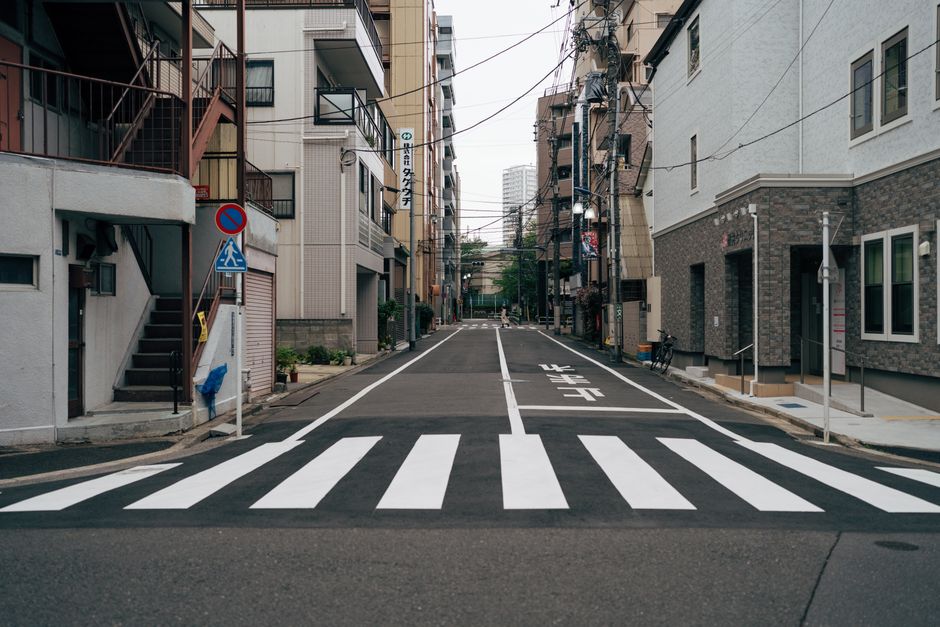
Walk through Yanaka's narrow lanes on any weekday afternoon, and you'll find Tokyoites engaged in an increasingly urgent conversation about survival—not their own, but that of the city's most treasured working-class districts.
The Shitamachi (downtown) areas that have defined Tokyo's cultural fabric for generations are under unprecedented pressure. In Asakusa, long-term machiya rentals that once cost ¥40,000–60,000 monthly have doubled in three years, according to data from the Asakusa Heritage Association. In Yanaka, the neighbourhood immortalized in Murakami Haruki's fiction, nearly 40% of traditional wooden buildings have been demolished or heavily modified since 2015.
The catalyst is immediate and visible: luxury hotel development. Four high-rise projects announced within walking distance of Senso-ji Temple will reshape the skyline entirely. Meanwhile, in Fukutoshin—the historic entertainment district along the Sumida River—zoning changes approved last autumn now permit mixed-use development on former geisha house sites.
What's sparking genuine alarm among locals isn't just commercial change; it's cultural erasure. The Yanaka Ginza shopping street, operating continuously since 1947, has lost three long-standing family businesses this year alone. The Asakusa Shrine's annual Sanja Matsuri still draws 1.8 million visitors, yet fewer young Tokyoites understand its post-war significance as a neighbourhood festival celebrating working people.
"We're not against development," says the secretary of Yanaka's neighbourhood council, speaking on background. "We're asking whether Tokyo remembers why these places matter." The distinction matters. Heritage tourism generates ¥340 billion annually across Tokyo's cultural districts—yet that revenue doesn't directly support the residents and small businesses that maintain the neighbourhoods' authenticity.
Since April, grassroots conservation efforts have intensified. The Shitamachi Culture Forum launched a digital archive of oral histories from residents over 70—an effort to document disappearing knowledge before it vanishes. The Tokyo Metropolitan Government announced a new heritage preservation fund in May, allocating ¥2.3 billion over five years, though many argue it arrives too late and remains underfunded compared to international peers.
The conversation happening in Asakusa's coffee shops, on Yanaka's street corners, and in community centres reflects something deeper: Tokyo's reckoning with its own identity. Can a global megacity preserve the intimate, human-scaled neighbourhoods that made it beloved? Or will commerce inevitably homogenize what made Tokyo distinctly, memorably itself?
This article was compiled by AI and screened before publishing. See our editorial standards.