Tokyo's Gallery Underground: How Artist Collectives Are ...
A grassroots movement of independent curators and emerging creators is transforming forgotten spaces across Shibuya and Harajuku, challenging the capital's traditional museum establishment.
A grassroots movement of independent curators and emerging creators is transforming forgotten spaces across Shibuya and Harajuku, challenging the capital's traditional museum establishment.
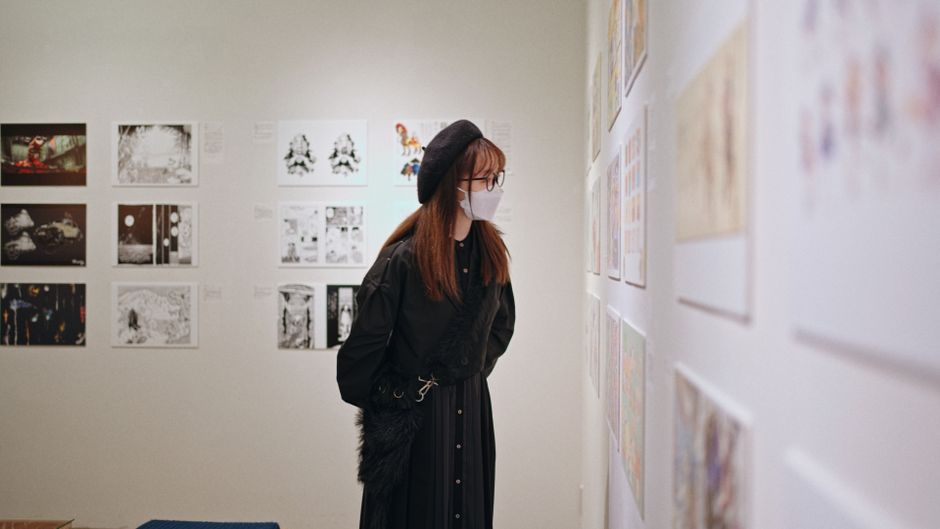
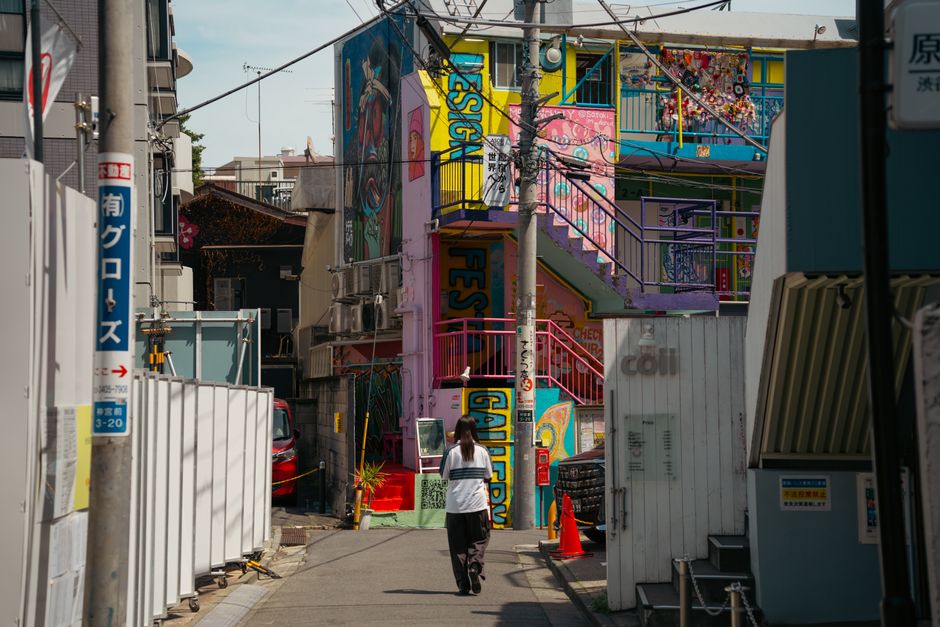
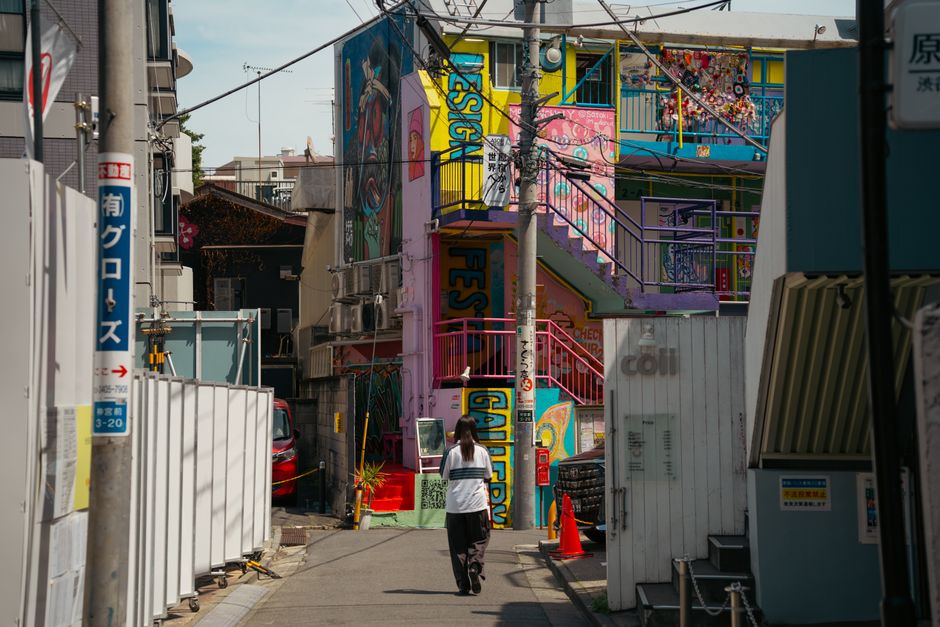
Walk through the narrow alleyways behind Omotesandō, and you'll find them: unmarked doors leading to converted warehouses, cramped studio spaces, and pop-up galleries that operate more like underground movements than formal institutions. This is where Tokyo's cultural shift is actually happening—not in the gleaming exhibition halls of the National Art Center or teamLab's immersive installations, but in the hands of independent collectives redefining what public art means.
The movement gained momentum around 2023, when rising rent and gallery closures in central Minato forced younger curators to seek alternatives. Today, organizations like the Shibuya Arts Council and dozens of smaller collectives operate across the Udagawa and Center-gai districts, occupying spaces that would otherwise sit vacant. These aren't vanity projects: entrance fees typically run ¥500-1,500, making contemporary art accessible beyond Tokyo's wealthy elite.
"We've seen foot traffic to independent galleries increase by roughly 35 percent over the past two years," says the Shibuya Culture & Arts Foundation, which has begun tracking non-institutional venues. What's driving this shift? Demographics matter. Artists aged 25-40 now represent the largest cohort launching independent exhibitions, many leveraging social media and community networks rather than traditional art world gatekeeping.
The Harajuku Omotesandō area has become particularly emblematic. Where luxury boutiques once dominated, artist-run spaces now cluster around Meiji-dori's side streets. The collective known as Vacant Project has activated over twelve unused commercial properties since 2024, hosting everything from experimental photography to installation art by emerging voices largely ignored by mainstream galleries. Their summer program typically attracts 200-300 visitors weekly.
This democratization reflects broader cultural anxiety. Established institutions, while retaining prestige, increasingly feel disconnected from younger audiences grappling with climate crisis, economic uncertainty, and digital-first creative practices. Independent spaces offer something different: intimacy, risk-taking, and genuine community dialogue rather than passive consumption.
The Tokyo Metropolitan Government has taken notice, quietly expanding arts funding to grassroots initiatives—a striking reversal of decades favoring established museums. Yet tensions remain. Traditional galleries worry about standardization and commercial pressure, while collectives struggle with sustainability and professional recognition.
As June's rainy season descends on the capital, Tokyo's art world stands at a crossroads. The question isn't whether galleries will survive, but whether the established order can adapt to a generation that's already building its own alternative.
This article was compiled by AI from the sources linked above and screened before publishing. See our editorial standards.
How does this story make you feel?
Spread the word
About this article
Published by The Daily Tokyo
Daily brief
Free, in your inbox before 7am. Weekdays.
More in culture