Emerging Theatre Tokyo: 5 New Voices Reshaping the Scene
Discover Tokyo's experimental theatre wave. New playwrights and directors are breaking traditional moulds in Shinjuku venues and independent cinemas across Harajuku and beyond.
Discover Tokyo's experimental theatre wave. New playwrights and directors are breaking traditional moulds in Shinjuku venues and independent cinemas across Harajuku and beyond.
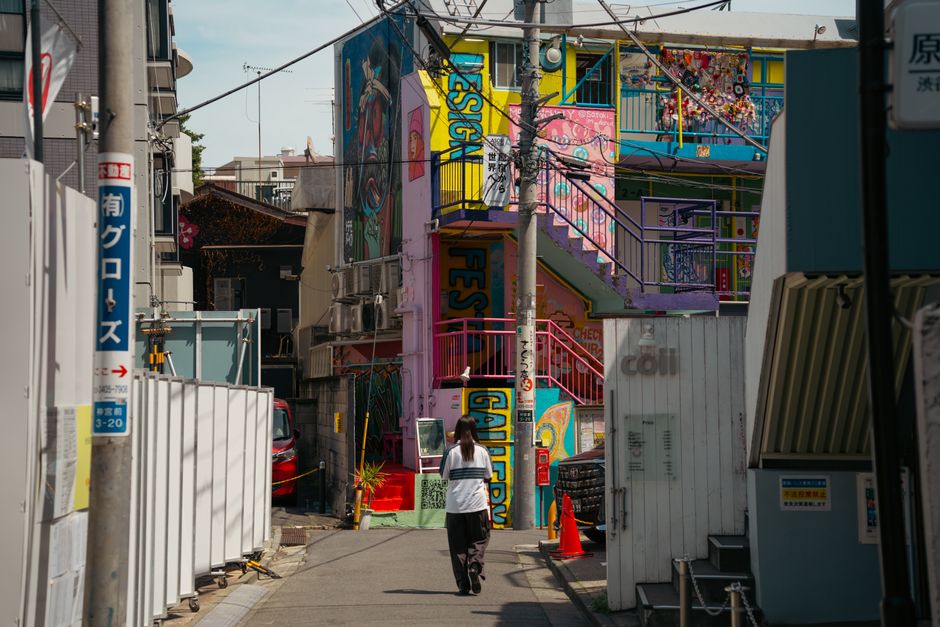
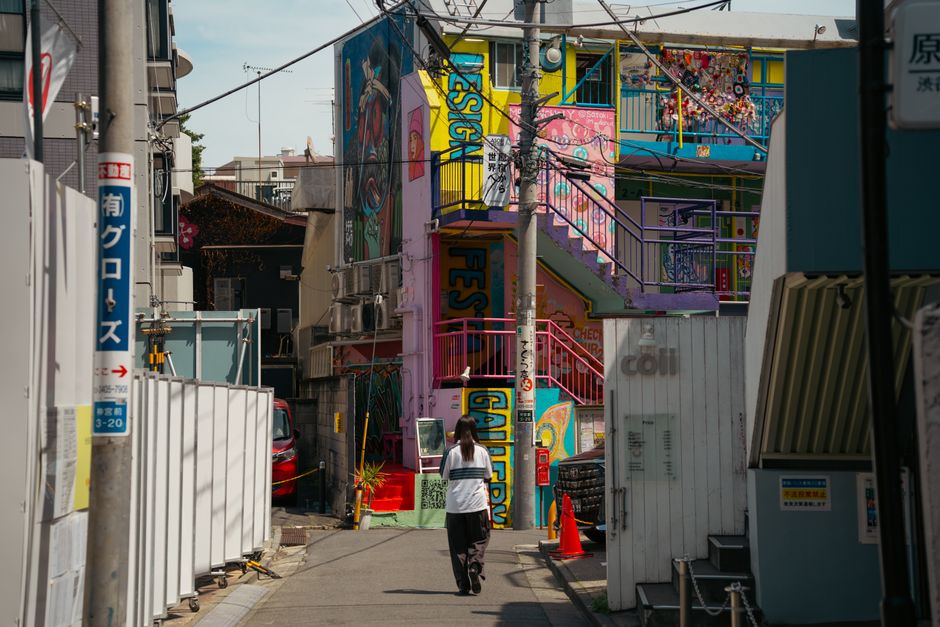
Walk down the narrow backstreets of Shinjuku's Marui Theatre district or catch an evening screening at the cramped arthouse cinemas dotting Harajuku, and you'll sense it: a creative restlessness among Tokyo's emerging performance artists. Six years into the post-pandemic recovery, a distinctly new wave is materialising—one less bound by the rigid hierarchies and aesthetic conservatism that long defined Japan's theatre establishment.
The shift is measurable. According to the Japan Arts Council's 2025 survey, experimental theatre productions in Tokyo increased 34% year-on-year, with artists under 35 accounting for nearly half of all new work premiering at smaller venues. Independent film screenings in the capital's microcinemas—those intimate 50-to-100-seat operations clustering around Shinjuku-ku and Shibuya-ku—drew 1.2 million viewers last year, a 28% jump from 2024.
Several factors feed this momentum. The National Theatre's decision in 2024 to launch its Rising Voices residency programme created dedicated mentorship pathways. Meanwhile, streaming platforms' hunger for distinctive Japanese content has paradoxically reinvigorated live performance as artists seek experiences technology cannot replicate. Perhaps most significantly, rental costs for blackbox venues in neighbourhoods like Shimokitazawa and Okubo have stabilised, making independent production viable for artists working without major institutional backing.
The work itself reflects generational preoccupations. Emerging playwrights are interrogating Japan's relationship with rapid urbanisation, precarious employment, and digital connectivity in ways that feel immediate and unsentimental. New filmmakers are mining the visual vernacular of Tokyo's overlooked spaces—the interior of convenience stores at 3 a.m., the fluorescent monotony of office corridors—as subjects worthy of sustained artistic attention.
Venues like Teatoro in Shimokitazawa and the compact screening room at Shinjuku's K's Cinema have become incubators. Smaller independent companies operating from converted warehouses in Okubo are mounting productions on budgets of ¥2-5 million (roughly $15,000-35,000), attracting audiences hungry for risk and authenticity.
The momentum isn't universal. Mainstream theatre and film industries continue consolidating around established names. Yet the gap between establishment culture and the experimental underground appears to be narrowing. Cross-pollination is accelerating. Major festivals increasingly commission work from fringe creators. Streaming platforms scout emerging talent at independent venues.
For those watching Tokyo's cultural trajectory, the signal is clear: the next defining generation of Japanese performance-makers is already working in the city's smallest rooms, on its tiniest budgets, creating art that speaks directly to now.
This article was compiled by AI from the sources linked above and screened before publishing. See our editorial standards.
How does this story make you feel?
Spread the word
About this article
Published by The Daily Tokyo
Daily brief
Free, in your inbox before 7am. Weekdays.
More in culture