Tokyo’s Cultural Pulse: A complete guide to the best local experiences right now
From the quiet corners of Yanaka to the cutting-edge digital installations in Azabudai Hills, here is how to navigate the city’s evolving creative landscape.
From the quiet corners of Yanaka to the cutting-edge digital installations in Azabudai Hills, here is how to navigate the city’s evolving creative landscape.
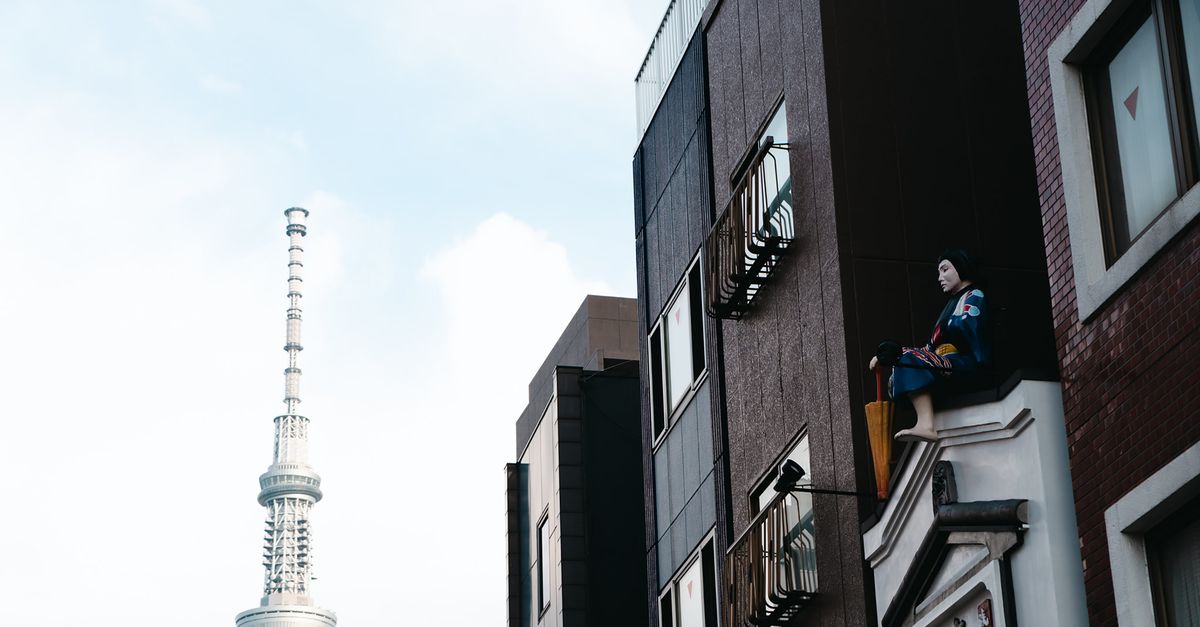
Tokyo’s cultural identity is shifting this summer, as residents and visitors alike pivot toward experiences that blend traditional craftsmanship with the city’s obsession for modern technology. While the metropolitan bustle remains, a growing movement toward hyper-local discovery has redefined weekend itineraries, moving away from the crowded crossings of Shibuya and toward the quiet backstreets of neighborhoods like Nezu and Sendagi.
For those looking to experience the dual nature of Tokyo, the recent developments in the Minato ward offer a distinct look at the city’s future. The teamLab Borderless installation at Azabudai Hills continues to draw significant crowds, serving as a primary hub for digital art integration within a commercial development space. The venue operates daily, requiring advanced bookings to manage the high volume of interest from both domestic and international visitors.
Conversely, the historic Yanaka district offers a necessary counterpoint. Walking the narrow paths of Yanaka Ginza provides an authentic look at post-war architecture that managed to survive the modernization drives of previous decades. Local artisans working in glass and ceramics are increasingly opening their workshops to the public, fostering a direct connection between creator and collector that stands in stark contrast to the rapid-fire retail environments found near Tokyo Station.
Data provided by the Tokyo Metropolitan Government indicates that foot traffic in historic districts has grown consistently throughout the mid-year period. Public transport remains the most efficient way to access these disparate hubs, with the Yamanote Line serving as the central artery for transit. Visitors are advised to utilize rechargeable IC cards, such as Suica or Pasmo, which facilitate seamless transitions between the municipal subway lines and the JR rail network.
As the city heads into the later weeks of summer, many outdoor venues in Ueno Park have scheduled a series of evening cultural events. Planning ahead is essential; many of these programs require registration via official municipal websites or venue-specific portals. Those seeking to avoid the peak heat and the largest crowds should target weekday mornings, particularly in the outer precincts of the Meiji Jingu shrine, where the tree canopy provides a significant reduction in temperature compared to the exposed plazas of Shinjuku or Roppongi.
Looking forward, the local creative scene is expected to lean further into sustainable urban tourism. Cultural programming at venues like the Tokyo Metropolitan Teien Art Museum will continue to highlight the intersection of heritage preservation and contemporary exhibit design. Whether navigating the high-tech corridors of the central wards or the moss-covered stone walls of the older districts, the current landscape of Tokyo rewards those who step off the primary transit lines and explore the city’s granular, neighborhood-level offerings.
How does this story make you feel?
Spread the word
About this article
Published by The Daily Tokyo
Daily brief
Free, in your inbox before 7am. Weekdays.
More in culture