Beyond the neon: Why Tokyo is retreating to its quietest corners
As mid-summer heat settles over the Kanto Plain, a distinct shift toward immersive, low-profile cultural experiences is defining the local mood.
As mid-summer heat settles over the Kanto Plain, a distinct shift toward immersive, low-profile cultural experiences is defining the local mood.
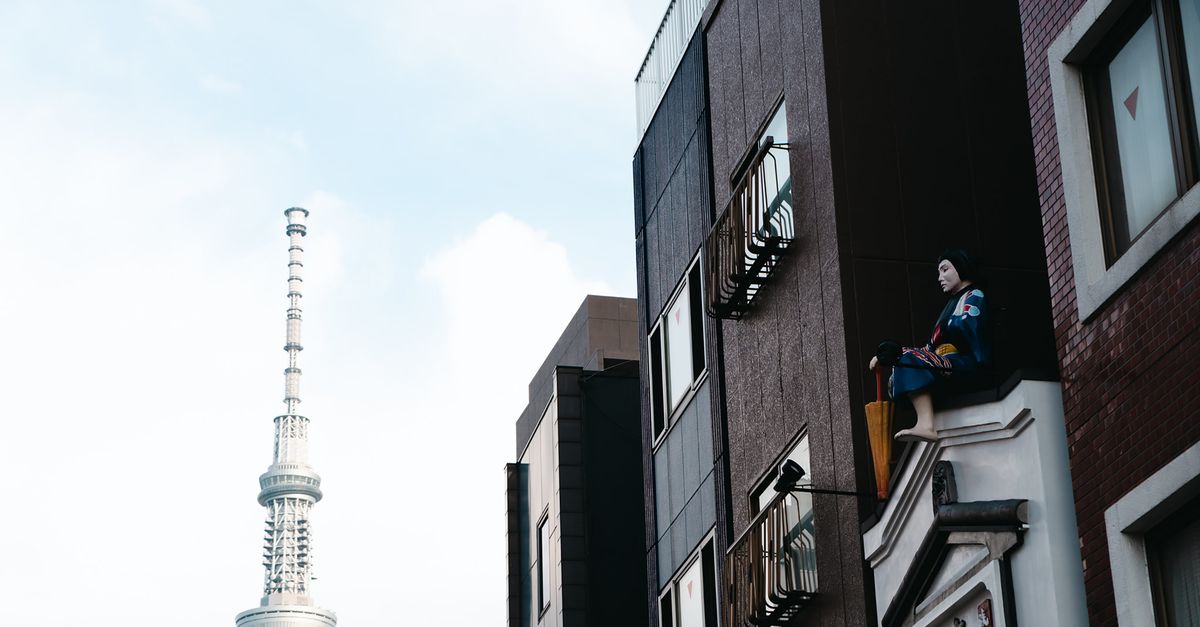
Tokyo is shedding its reputation for sensory overload this July. While the neon glow of Shinjuku and the frantic pace of the Shibuya Crossing remain, a growing number of residents are gravitating toward quiet, deliberate pursuits that favor craftsmanship over consumption. The current cultural conversation has moved away from the city's grand landmarks toward intimate, neighborhood-focused exploration.
Neighborhoods like Yanaka, often referred to as a rare pocket of pre-war atmosphere, are experiencing a resurgence in popularity among those looking to escape the modern grid. This shift is visible in the growing crowds at the Nezu Museum, which continues to anchor the Aoyama district as a space for reflection rather than retail. Locals are increasingly prioritizing the preservation of heritage, with the Scai The Bathhouse gallery-a former 200-year-old public bath-serving as a focal point for this movement.
The emphasis on the 'slow life' isn't merely an aesthetic choice; it is a direct response to the climate pressures facing the Kanto region this summer. With the temperature in central Tokyo frequently pushing toward the high 30s during the daytime hours, public activity has transitioned to late-evening programming and climate-controlled, non-commercial spaces. The Tokyo National Museum in Ueno has adjusted its schedule to accommodate this, hosting extended evening hours for its current permanent collection displays, which are drawing record interest from students and local families alike.
For those looking to navigate Tokyo right now, the most effective approach is to abandon the heavy tourist itineraries in favor of local transit-linked micro-adventures. The Ochanomizu area, historically recognized as the city's academic and musical heart, is currently hosting its annual summer instrument fair, where local specialty stores display rare vintage guitars and brass instruments. Experts from the local retailers report that interest in analog equipment has reached a multi-year peak, drawing enthusiasts from across the city to the narrow streets near Meiji University.
Access to these experiences requires little more than a standard Suica or Pasmo transit card, which remains the most reliable tool for navigating the intricate rail networks run by Tokyo Metro and JR East. While entry to major municipal museums often sits at a modest range-typically between 600 to 1,500 yen for adults-the most valuable experiences, such as the quiet evening strolls through the gardens surrounding the Imperial Palace, remain entirely cost-free. Residents are advised to monitor the official Tokyo Metropolitan Government website for heat-stroke prevention alerts, which provide real-time guidance on safe travel times during the July humidity, as the city prepares for the upcoming Obon holiday period.
How does this story make you feel?
Spread the word
About this article
Published by The Daily Tokyo
Daily brief
Free, in your inbox before 7am. Weekdays.
More in culture