Tokyo’s Hidden Crafts: The Story Behind the Scene and the People Who Created It
Beyond the neon of Shinjuku, a quiet movement of artisans is redefining the city’s creative identity through heritage-led innovation.
Beyond the neon of Shinjuku, a quiet movement of artisans is redefining the city’s creative identity through heritage-led innovation.
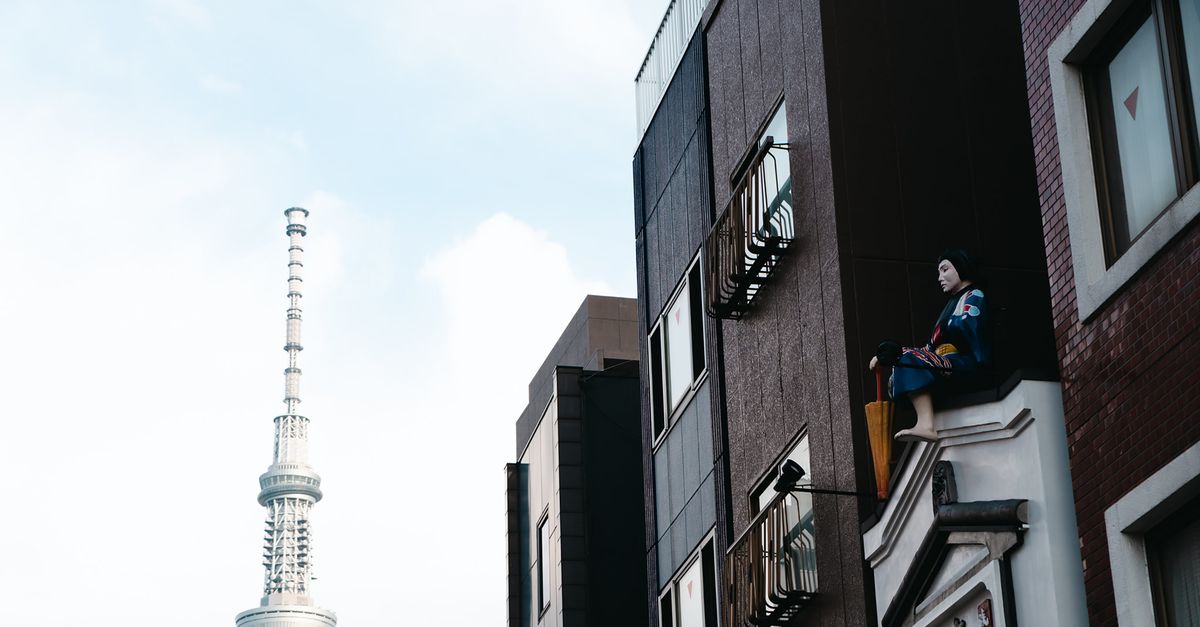
In the quiet corners of Yanaka and the revitalized workshops of Taito-ku, a new generation of Tokyo artisans is bridging the divide between Edo-period traditionalism and modern aesthetic utility. While global attention remains fixed on the city’s rapid technological shifts, the real heartbeat of Tokyo’s creative economy is currently found in the small-scale preservation of monozukuri-the art of making things-carried out by families and collectives who refuse to let centuries-old techniques fade into obscurity.
The transformation is most visible in the backstreets of Yanaka, where the Yanaka Ginza shopping district serves as more than just a tourist draw. Here, independent designers have repurposed aging machiya townhouses into functional design hubs. Groups like the Taito Designers Village have been instrumental in this shift, providing affordable incubation space for entrepreneurs looking to integrate traditional Japanese materials like washi paper or tsumami-zaiku silk folding into contemporary fashion. These spaces operate on a principle of radical transparency, where the creators are often the same people managing the retail counters, allowing customers to understand the labor-intensive processes behind their purchases.
This revival is not merely aesthetic; it is a tactical response to the erosion of local production chains. According to the 2024 annual report released by the Tokyo Metropolitan Government on regional industrial trends, the Taito ward has seen a measurable rise in new small-scale manufacturing business registrations, indicating a pivot toward boutique, high-value production rather than the mass-market manufacturing that defined the district in the late 20th century. This focus on small-batch craftsmanship has stabilized the local economy against the volatility of global supply chains that currently affect broader international markets.
For visitors and residents seeking to engage with these living histories, the focus has moved away from souvenir hunting and toward experience-based learning. In the Sumida ward, the Sumida Hokusai Museum provides the historical context for the neighborhood's artistic legacy, while the nearby workshops-many of which require prior appointment-allow for direct instruction from masters who have spent decades perfecting woodblock printing and glass etching. The goal is to move the conversation from passive consumption to active participation, ensuring that the skill sets associated with these crafts remain viable livelihoods for younger residents.
Those interested in exploring these workshops should look toward the curated open-day schedules posted by the Tokyo Metropolitan Industrial Technology Research Institute. While these experiences often carry a premium cost-with master-led workshops sometimes ranging from 5,000 to 15,000 yen depending on material complexity and duration-the investment directly supports the practitioners’ ability to maintain their studios. As the city continues to navigate the pressures of modernization, the endurance of these craft corridors remains a testament to the resilience of Tokyo’s community-driven creative sectors.
How does this story make you feel?
Spread the word
About this article
Published by The Daily Tokyo
Daily brief
Free, in your inbox before 7am. Weekdays.
More in culture