Emerging talent voices and the next wave to watch
Tokyo's creative districts are shifting focus as a new generation of artists takes hold of the city's independent scene.
Tokyo's creative districts are shifting focus as a new generation of artists takes hold of the city's independent scene.
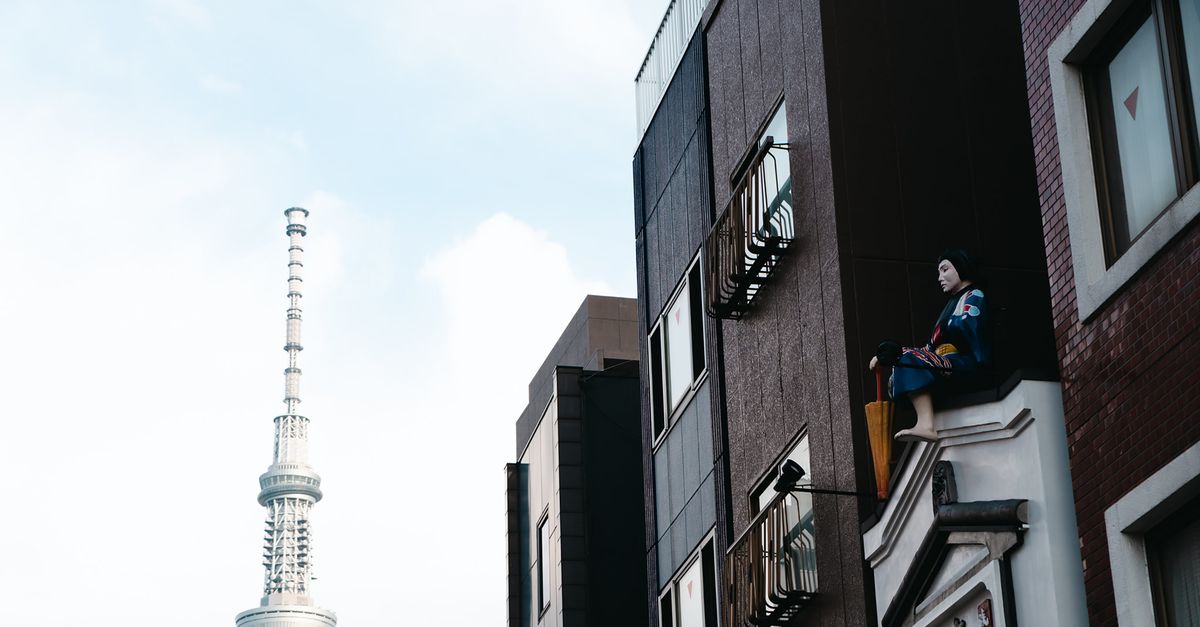
Tokyo’s creative pulse is moving away from established corporate galleries and into the compact, reclaimed spaces of the city’s western neighborhoods. From the backstreets of Shimokitazawa to the industrial lofts of Kuramae, a cohort of emerging designers and installation artists are redefining the city’s visual language. These creators are prioritizing temporary, high-impact exhibitions that challenge the traditional constraints of Tokyo’s institutional art world.
The transition toward these smaller, independent venues has been accelerated by the growing availability of renovated warehouses in areas historically associated with light manufacturing. Organizations such as the 3331 Arts Chiyoda model-though currently undergoing institutional shifts-have paved the way for more localized, tenant-led projects. Visitors today are increasingly drawn to sites like the Bakuro-cho district, where converted wholesale buildings now house multi-use studios and micro-galleries. This migration from the central hubs of Roppongi signals a decentralized approach to urban engagement that values hyper-local connection over massive visitor throughput.
For those looking to track this movement, the focus should remain on collaborative spaces that host rotating talent rather than permanent collections. The PICARESQUE gallery in Setagaya remains a primary venue for discovering early-career talent, often highlighting artists who work across digital and physical mediums. Simultaneously, the creative clusters in Koenji are seeing a resurgence in community-run workshops, where the barrier between the artist and the audience is purposefully thin. These venues provide a testing ground for experimental works that would likely not secure space in larger, heritage-focused institutions.
Market data from the Tokyo Metropolitan Government indicates that the cultural and creative industries continue to play a significant role in local tourism and urban development. While broader economic indices show a steady increase in service-sector activity across the Kanto region, the specific impact on the arts sector is characterized by a rise in demand for immersive, boutique experiences. Visitors planning their itineraries should look for programs listed through the Tokyo Art Beat platform, which tracks active exhibition cycles and seasonal pop-up events across the city's 23 wards.
Engaging with this new wave requires a shift in pace. Unlike the major museum circuits that often require advance reservations months ahead of time, these smaller venues operate on more fluid schedules. It is advisable to check the specific digital calendars of independent studios in areas like Kiyosumi-shirakawa, where the concentration of artist-run spaces allows for a dense, walking-focused itinerary. As these artists gain visibility, the character of these districts often evolves, making the present moment the most effective time to experience this work in its original, uncommercialized context.
How does this story make you feel?
Spread the word
About this article
Published by The Daily Tokyo
Daily brief
Free, in your inbox before 7am. Weekdays.
More in culture