Complete guide to the best local experiences right now
From hidden archival galleries in Ginza to the revitalized artisan workshops of Yanaka, here is how to navigate Tokyo’s shifting cultural scene this July.
From hidden archival galleries in Ginza to the revitalized artisan workshops of Yanaka, here is how to navigate Tokyo’s shifting cultural scene this July.
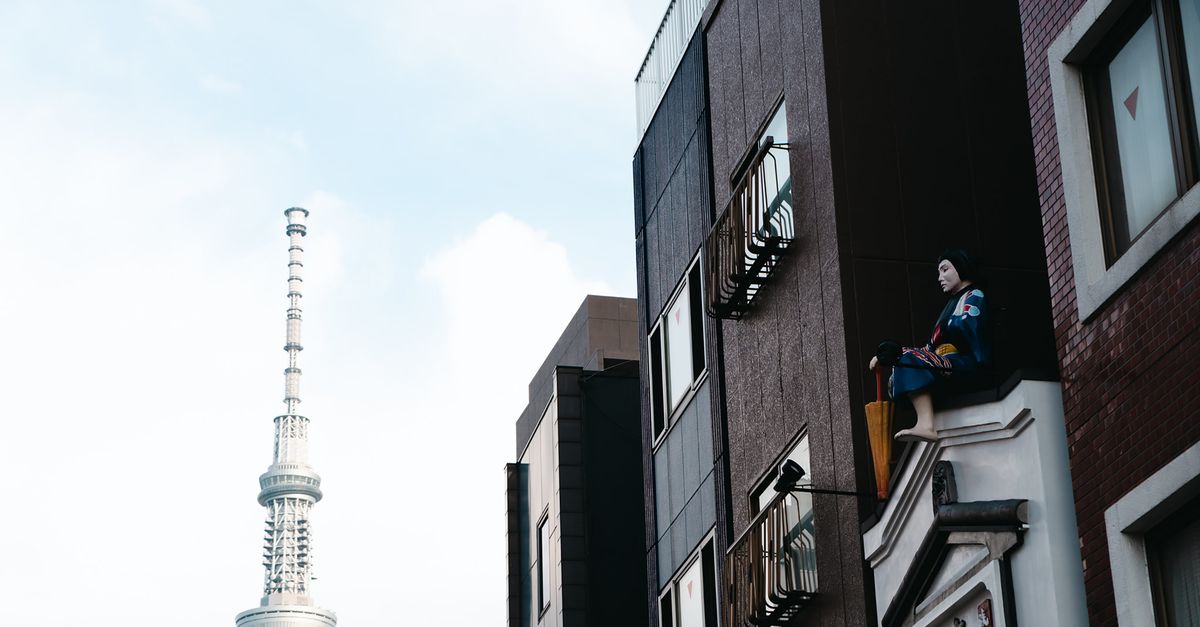
Tokyo’s cultural calendar is undergoing a significant transformation this summer, moving away from conventional tourist circuits toward more granular, neighborhood-led discovery. As international interest in the capital intensifies, local institutions in districts like Chuo and Taito are pivoting their programming to highlight deep-history narratives and contemporary craftsmanship.
For residents and repeat visitors, this shift is critical because it offers a reprieve from the density of traditional landmarks. Recent programming at the Ginza Graphic Gallery and the community-integrated restoration efforts in Yanaka demonstrate a city refocusing on the intersection of preservation and modern design, providing a stark contrast to the rapid modernization seen in districts like Shibuya.
The Ginza district remains the epicenter for those seeking high-end engagement with Japanese design. The Ginza Graphic Gallery continues its tenure as a central hub for visual culture, currently hosting exhibitions that lean heavily on the technical evolution of print media. A short train ride away in the Taito ward, the historic Yanaka district provides a completely different rhythm. Here, the focus remains on the 'shitamachi' charm, where small-scale workshops have opened their doors to allow for hands-on observation of traditional metalwork and paper-making, signaling a broader trend toward artisanal immersion.
Data provided by the Tokyo Metropolitan Government indicates that visitor engagement with these smaller, neighborhood-specific cultural programs has seen steady growth over the current fiscal cycle. Admission to many of these specialized galleries remains accessible, with entry fees for major exhibitions at primary cultural venues typically hovering around 1,000 to 1,500 yen for adults. For those looking to participate in the artisan workshops in Yanaka, booking platforms now commonly require reservations at least two weeks in advance to accommodate the increased interest in limited-capacity sessions.
Navigating these experiences requires a departure from rigid planning. The most effective approach involves leveraging the local train networks to access the quieter corridors of the city before the mid-afternoon heat peaks. Visitors are advised to prioritize mid-week visits to the Ginza Graphic Gallery to avoid the weekend foot traffic that frequently impacts the central shopping arteries. As the city prepares for the latter half of the summer, focus remains on the long-term sustainability of these neighborhood initiatives, ensuring that the preservation of local history continues to coexist with Tokyo’s relentless appetite for the new.
How does this story make you feel?
Spread the word
About this article
Published by The Daily Tokyo
Daily brief
Free, in your inbox before 7am. Weekdays.
More in culture