Tokyo's Neighbourhood Watch Model Outpaces Major Cities in Community Safety Response
As global cities grapple with rising security concerns, Tokyo's decentralised approach to local crime prevention is drawing attention from urban planners worldwide.
As global cities grapple with rising security concerns, Tokyo's decentralised approach to local crime prevention is drawing attention from urban planners worldwide.
In the wake of recent mass violence incidents across Europe and the Middle East, Tokyo's approach to community safety has become a quiet case study in effective local governance. Unlike centralised security models adopted by London, New York, and Berlin, Tokyo's neighbourhood-based prevention system relies on grassroots engagement and proximity policing—a model that appears to be yielding measurable results.
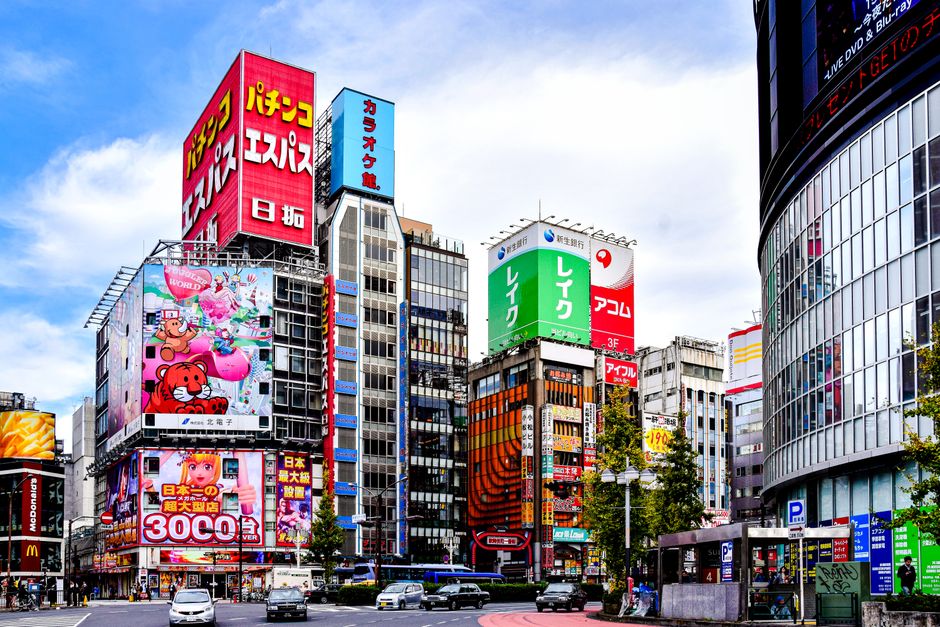
The distinction is visible on streets like Omotesando in Shibuya and around the shopping precincts of Shinjuku, where koban—small police boxes—serve as anchors for neighbourhood safety networks. There are approximately 1,100 koban across the metropolitan area, each staffed by officers who know local residents by name and monitor community concerns with surgical precision. This contrasts sharply with the sprawling, vehicle-dependent patrol systems common in North American cities.
Residents' associations, or chonaikai, play a crucial role that has no direct equivalent in most Western cities. These organisations, particularly active in older neighbourhoods like Yanaka and Asakusa, coordinate safety patrols, maintain communication networks, and organise community meetings on local issues. Participation rates in Tokyo's chonaikai average around 35-40 percent, significantly higher than neighbourhood association engagement in comparable cities like Singapore or Sydney.
"The investment in human connection rather than surveillance infrastructure is what sets Tokyo apart," said a spokesperson from the Tokyo Metropolitan Police Department, explaining that the city spent approximately 850 billion yen on community policing initiatives last fiscal year, focusing heavily on officer deployment and training rather than camera networks.
The economic model also differs. Tokyo's approach costs the metropolitan government roughly 2,100 yen per resident annually for local safety initiatives, compared to 3,400 yen in Berlin and 4,200 yen in Toronto, where budget allocations favour technological solutions and centralised response teams.
However, challenges remain as Tokyo faces demographic shifts. Ageing neighbourhoods like parts of Toshima ward have seen chonaikai membership decline by 15 percent over five years, weakening these traditional networks. Community centres like the one in Ikebukuro are working to modernise engagement through digital platforms while maintaining face-to-face programming.
As other major cities contend with security gaps exposed by recent incidents, urban planners are examining whether Tokyo's investment in neighbourhood-level relationships offers lessons for re-humanising urban safety in an increasingly fragmented world.
This article was compiled by AI from the sources linked above and screened before publishing. See our editorial standards.
How does this story make you feel?
Spread the word
About this article
Published by The Daily Tokyo
Daily brief
Free, in your inbox before 7am. Weekdays.
More in News