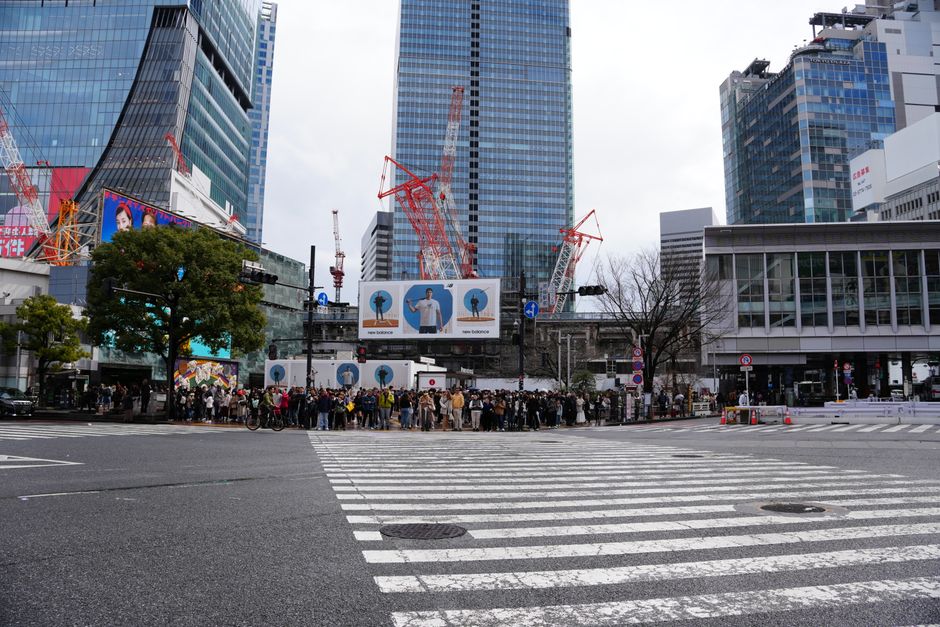
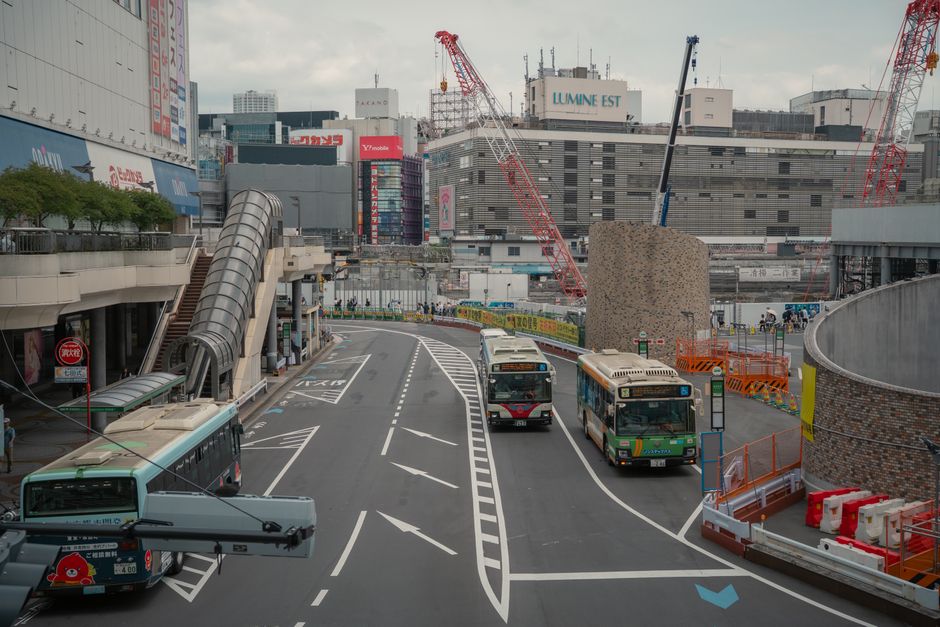
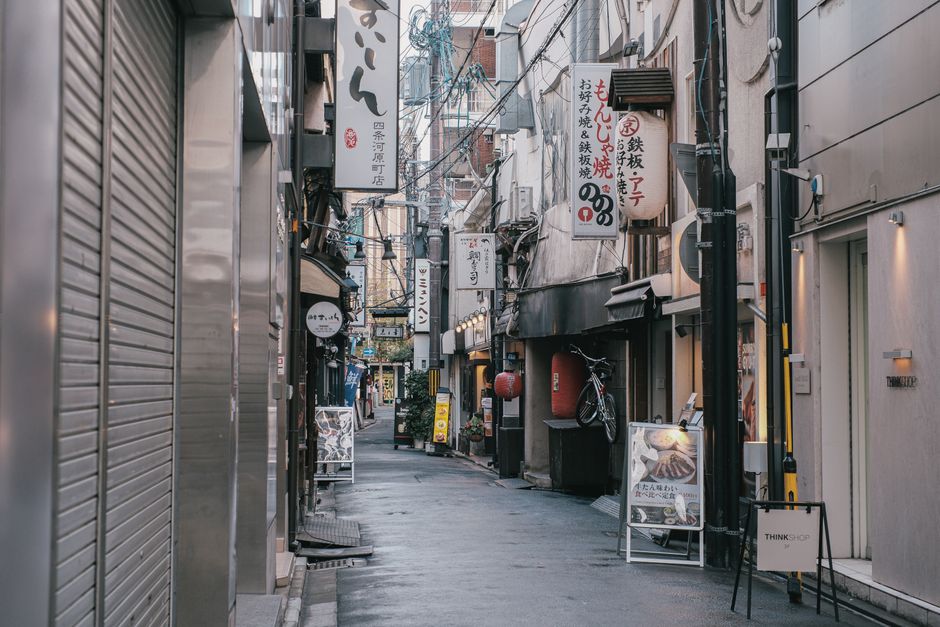
The decision facing Shibuya's ageing shopping arcade operators has become impossible to ignore. As summer 2026 approaches, landlords along the warren of covered shopping streets that branch from Meiji-dori must decide whether to invest in radical renovation, pivot to new uses, or accept gradual decline. The stakes could reshape one of Tokyo's most recognisable neighbourhoods.
The numbers tell a stark story. Foot traffic through Shibuya's traditional arcades—including the iconic Meiji-dori shotengai and adjacent covered streets—has fallen approximately 40% since 2018, according to data compiled by the Shibuya Chamber of Commerce. Vacancy rates in some corridors have climbed above 25%, with longtime tenants like the decades-old fabric shop Yamamoto and the traditional confectionery Satoh recently announcing closures. Average monthly rents have fallen from ¥180,000 to ¥120,000 for small ground-floor units.
Three distinct futures now present themselves, and the choice will be made within the next 18 months. The most ambitious option involves a ¥3.5 billion collective renovation project under discussion by a consortium of seven major property owners. This would modernise infrastructure, add contemporary retail concepts alongside heritage businesses, and create shared coworking and event spaces. Several similar projects in Harajuku and Shimokitazawa have proven commercially viable, though they require unanimous landlord agreement and typically take 18-24 months.
A second path, favoured by some operators, involves gradual conversion into mixed-use spaces. Converting upper floors into affordable artist studios and creative offices—a model working successfully in Kichijoji's backstreet alleys—could generate new foot traffic and community value while preserving some traditional retail at street level.
The third option, least palatable but increasingly realistic for some property owners, is managed decline. This means accepting that certain arcades will close, potentially clearing space for new development by larger developers already circling the area.
What complicates matters is sentiment. Many long-term Shibuya residents and business owners view these arcades as irreplaceable cultural heritage. The Meiji-dori Shotengai Association, representing 73 remaining businesses, has begun documenting oral histories of the streets, suggesting even optimistic stakeholders worry about what might be lost. Local ward councillor meetings scheduled for July 15th will provide a public platform for residents to voice preferences—a rare opportunity to influence outcome rather than simply observe it.
The window for decision-making is narrow. Property values remain stable but investment in new commercial development nearby continues. Within three years, demographic and economic pressures could make collaborative revival efforts impossible. For Shibuya, the question is no longer whether change is coming, but whether its communities will actively shape it.
This article was compiled by AI from the sources linked above and screened before publishing. See our editorial standards.