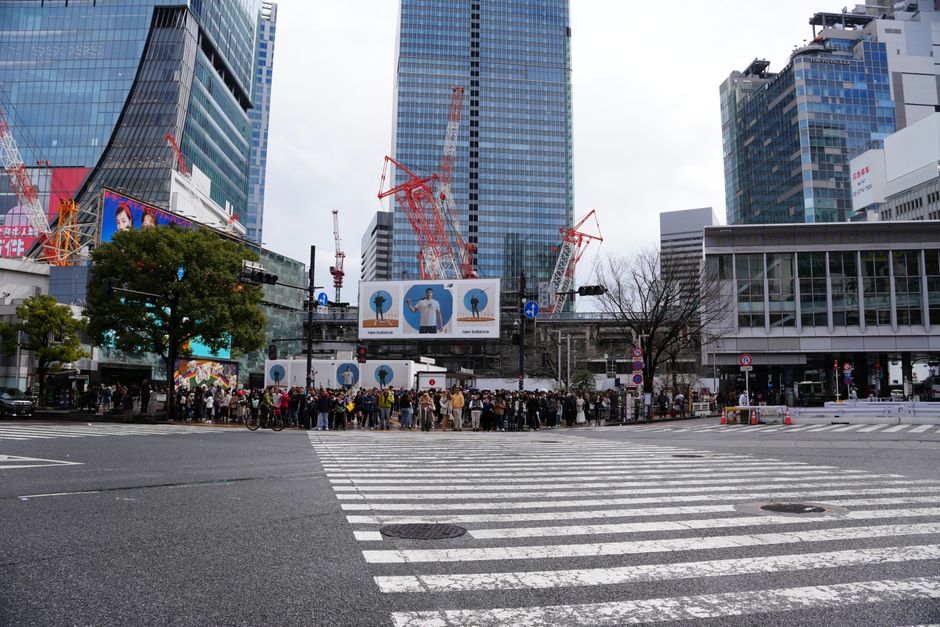
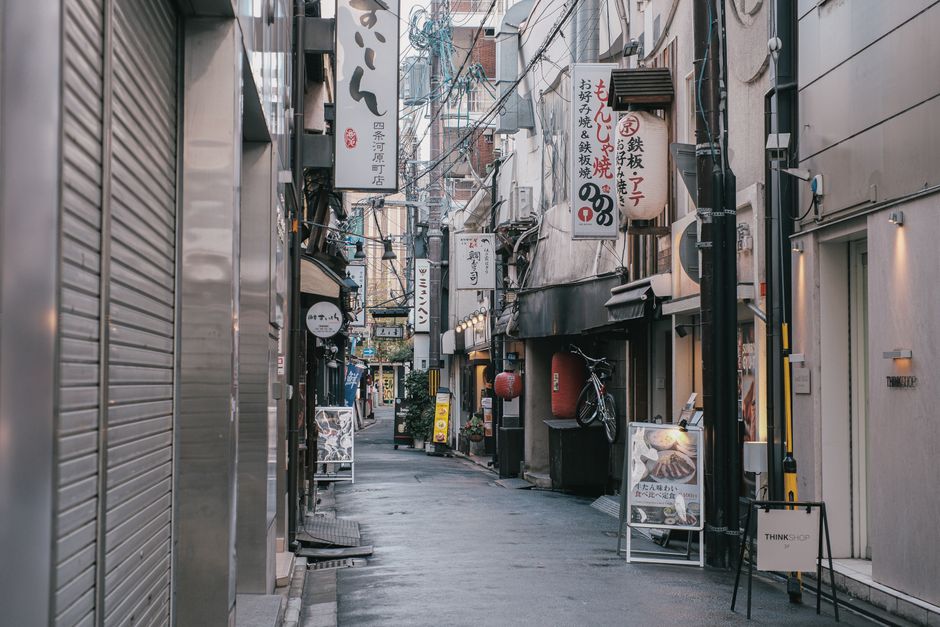
Walk through the backstreets of Shibuya ward on any given Tuesday afternoon, and you'll notice something that would have been unthinkable fifteen years ago: community centres humming with activity, volunteer networks spanning entire neighbourhoods, and neighbourhood associations meeting not out of obligation, but genuine purpose.
The transformation didn't happen overnight. In 2015, Shibuya—famous globally for its crossing and youth culture—faced a sobering reality. Census data revealed that residents over 65 now comprised 23% of the ward's 224,000 people. By 2020, that figure had climbed to nearly 27%. The demographic tsunami that demographers had warned about for years had arrived at one of Tokyo's most iconic addresses.
"The problem was visibility," explains Hiroshi Tanaka, director of the Shibuya Community Welfare Council, speaking informally about the challenge. Local businesses in the Dogenzaka and Center-gai entertainment districts suddenly faced an uncomfortable truth: their core elderly population was growing isolated. Rent in the area—averaging ¥120,000 monthly for modest apartments—meant many long-time residents were trapped between affordability and displacement.
What changed was incremental but meaningful. The Shibuya Ward Government launched its "Machi no Mikata" (Neighbourhood Ally) initiative in 2019, establishing volunteer coordination hubs in twelve locations, from Harajuku to Yotsuya. Local convenience stores began training staff in elder awareness. The Miyamasuzaka area, historically neglected in city planning discussions, became a pilot zone for door-to-door welfare checks.
By 2023, participation had grown beyond expectations. Nearly 1,800 residents volunteered regularly. Local shopping streets like Omotesando adapted their services—installing wider pathways and rest areas. Rents, paradoxically, stabilised as properties became recognised as community anchors rather than speculative assets.
The real turning point came from neighbours simply noticing neighbours. Community associations that once circulated notices about rubbish collection began organising meal-sharing events. Youth volunteers, struggling with housing costs themselves, found purpose in supporting elderly residents. It became reciprocal.
Today, Shibuya's model is being studied by ward governments across Tokyo and beyond. The data is persuasive: elderly residents reporting 30% lower isolation scores, hospitalisation rates down 8%, and volunteer retention at 74%—remarkable for civic engagement in metropolitan Japan.
The lesson isn't revolutionary. Communities don't need grand plans; they need intentional visibility, resources for connection, and time for trust to develop. Shibuya simply arrived at that understanding when it had no choice.
This article was compiled by AI from the sources linked above and screened before publishing. See our editorial standards.