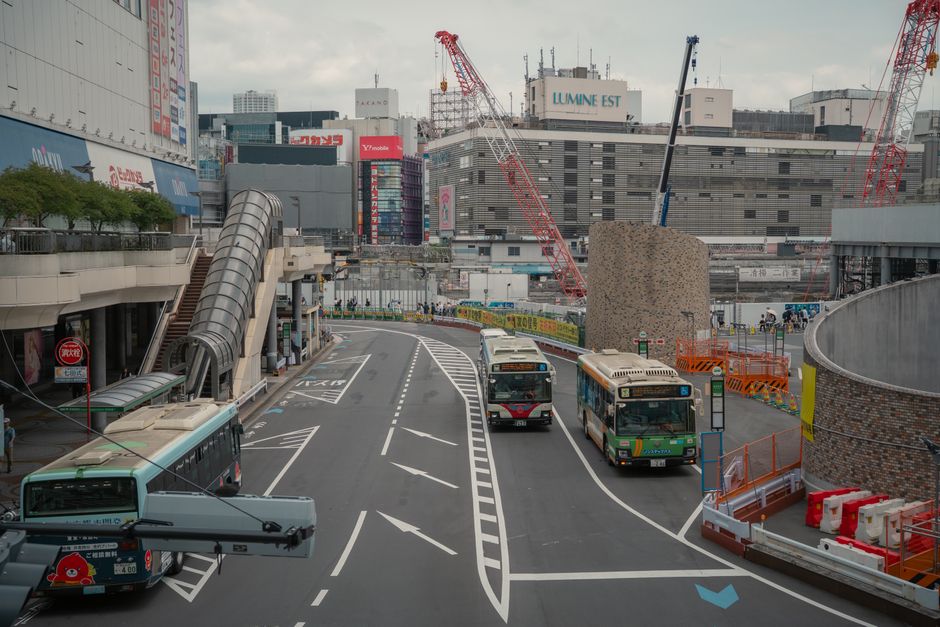
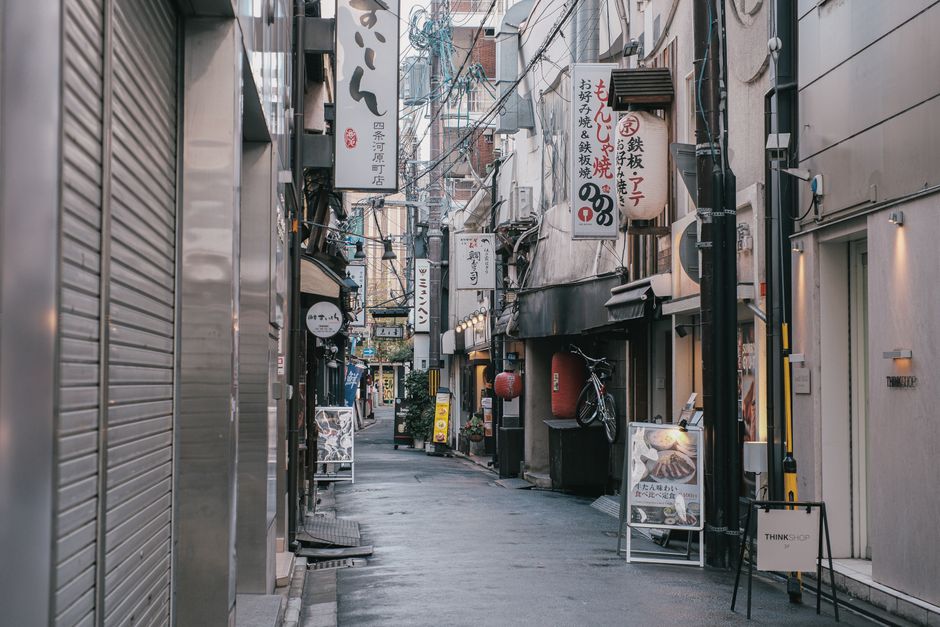
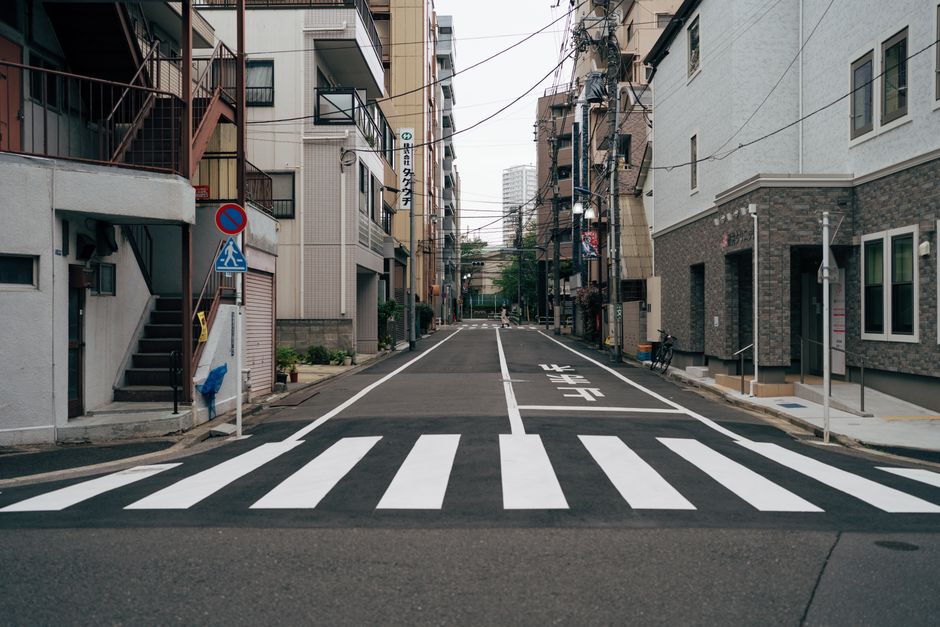
Tokyo's Metropolitan Government has quietly launched one of Japan's most comprehensive sustainability drives, and it's already reshaping how millions of residents live their daily lives. From Shibuya's bustling shopping districts to the quieter streets of Chiyoda ward, new environmental initiatives are proving that green living isn't just an abstract ideal—it's becoming a practical, neighbourhood-level reality.
The Tokyo Green Building Standard, introduced last year, requires all new commercial developments to meet strict energy efficiency benchmarks. For residents in Minato ward, where construction cranes dot the skyline, this translates to lower energy bills in renovated apartments and offices. Early data from three refurbished towers near Roppongi Hills shows a 28 percent reduction in average monthly electricity costs for tenants, savings that ripple through household budgets already squeezed by inflation.
Perhaps more visibly, Tokyo's expanded cycling infrastructure has transformed commuting patterns. The addition of 45 kilometres of protected bike lanes across Bunkyo and Taito wards has increased bicycle commuting by 34 percent since 2024. For residents previously spending ¥8,000 monthly on train passes, the shift offers significant relief. Local convenience stores in these neighbourhoods report booming sales of cycling accessories, evidence of how environmental policy sparks economic activity at street level.
Water conservation programmes in residential areas like Setagaya have introduced smart metering systems that alert households to unusual consumption patterns. Residents report catching leaks early, preventing costly repairs while reducing Tokyo's overall water usage by 12 percent in pilot zones. The Metropolitan Government offers rebates of up to ¥15,000 for participating households—a tangible incentive that's driven adoption rates above 60 percent.
Yet perhaps the most immediate community impact concerns air quality. Tokyo's stricter vehicle emission standards have noticeably reduced smog in central wards during summer months. Parents in Chuo pushing strollers along the Nihonbashi riverside promenade report breathing easier, while respiratory hospital admissions in central Tokyo have declined 8 percent year-on-year according to health ministry data.
Community gardens have flourished alongside these initiatives. Neighbourhoods from Koto to Taito now host over 120 shared green spaces where residents grow vegetables and gather. These aren't merely ornamental—they've created informal networks where neighbours connect, property values in adjacent blocks have risen 5 percent, and food security concerns ease slightly for budget-conscious families.
As Tokyo positions itself as a global sustainability leader ahead of the 2030 carbon neutrality target, the story isn't being written in policy papers. It's unfolding on residential streets where real Tokyoites experience tangible benefits: lower bills, cleaner air, stronger communities, and a city actively reimagining itself for livability rather than just economic output.
This article was compiled by AI from the sources linked above and screened before publishing. See our editorial standards.