Tokyo officials chart new course on immigration as migrant population hits record 300,000
Metropolitan leaders and integration experts outline bold policy shifts to manage unprecedented demographic change across the capital.
Metropolitan leaders and integration experts outline bold policy shifts to manage unprecedented demographic change across the capital.
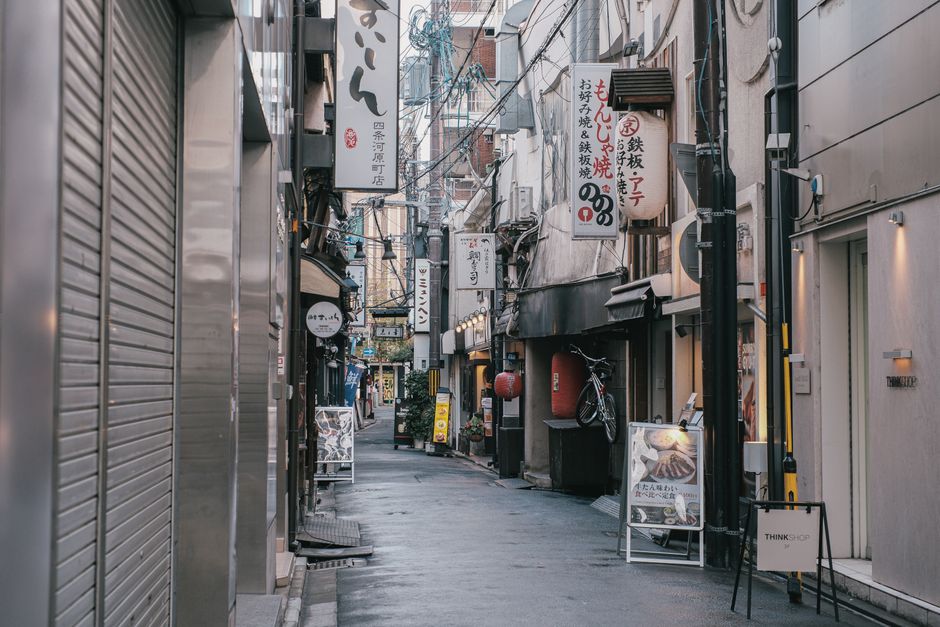
Tokyo's foreign resident population has surged to approximately 300,000—roughly 2.3 percent of the metropolitan area—prompting city administrators and academic experts to unveil sweeping policy frameworks addressing housing, employment, and social cohesion in traditionally homogeneous neighborhoods from Minato to Asakusa.
The Tokyo Metropolitan Government's newly established Immigration Integration Bureau outlined strategic priorities this month during a forum at the Chiyoda Ward Office, emphasizing multilingual municipal services and expanded affordable housing initiatives. Officials acknowledged acute pressures in traditionally international zones: Roppongi's long-standing expatriate community now shares infrastructure with rapidly growing Southeast Asian and South Asian populations, while Shinjuku's concentrated migrant workforce has strained language support systems.
"We are no longer simply accommodating temporary residents," stated a senior official during the briefing, noting that 67 percent of registered foreign nationals now indicate intention to stay beyond five years. "Integration planning must be structural, not reactive."
Dr. Hiroshi Yoshida, migration policy researcher at Waseda University's Graduate Institute of Asia-Pacific Studies, emphasized the economic argument: "Tokyo faces acute labor shortages in care work, hospitality, and construction. Strategic immigration is not optional—it's essential infrastructure for an aging society." Current minimum wage for migrant workers in Tokyo stands at ¥1,072 per hour, though researchers identify significant wage gaps compared to Japanese counterparts in equivalent roles.
Community organizations operating across Ikebukuro and Ueno—neighborhoods with substantial Vietnamese, Filipino, and Pakistani populations—report capacity challenges. The Asia Network Foundation, headquartered near Ikebukuro Station, manages integration programs for approximately 8,000 residents annually but faces funding constraints.
Housing remains contentious. Rental discrimination persists despite legal prohibitions; properties in central wards command premium prices, with average one-bedroom apartments in Minato exceeding ¥250,000 monthly. A new subsidized housing pilot program launching in July will allocate 200 units across metropolitan wards, though advocates argue this addresses only 0.07 percent of identified need.
Cultural friction surfaces periodically: municipal authorities documented 47 noise complaints in Shinjuku last year involving migrant households, while neighborhood associations report communication breakdowns around waste sorting protocols—Tokyo's famously complex recycling system proves daunting for newcomers.
Experts emphasize that successful integration requires sustained investment. "Other global cities—Singapore, Toronto, Amsterdam—invested decades establishing frameworks," noted Professor Yoshida. "Tokyo is navigating this transformation compressed into years. The question is whether institutions can adapt at necessary speed."
This article was compiled by AI from the sources linked above and screened before publishing. See our editorial standards.
How does this story make you feel?
Spread the word
About this article
Published by The Daily Tokyo
Daily brief
Free, in your inbox before 7am. Weekdays.
More in News