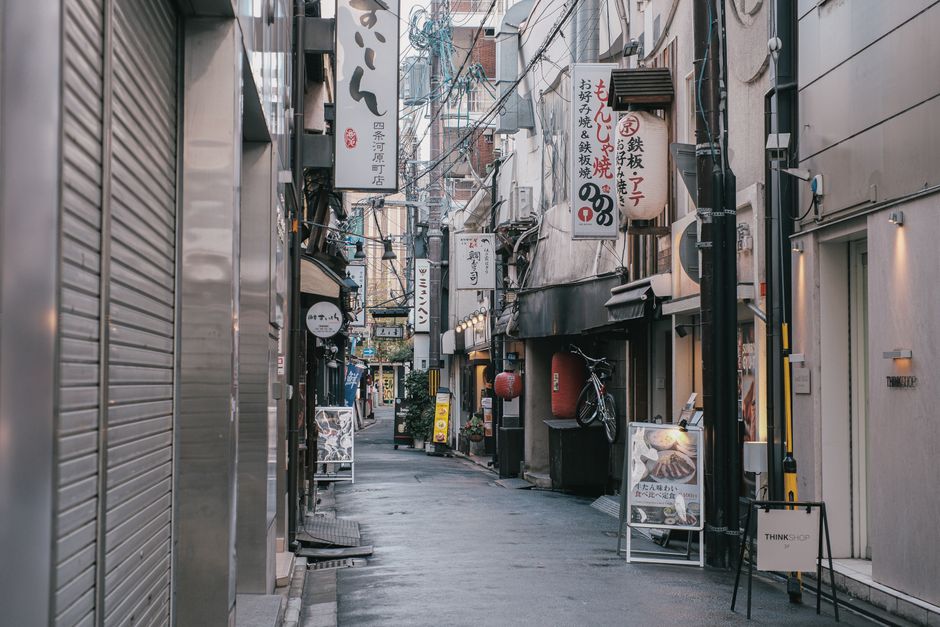
Shibuya's Rapid Transformation Stirs Anxiety Among Long-time Residents Over Housing Plans
As Tokyo's ward government pushes forward with urban renewal, community members voice concerns about affordability and neighbourhood character.
As Tokyo's ward government pushes forward with urban renewal, community members voice concerns about affordability and neighbourhood character.
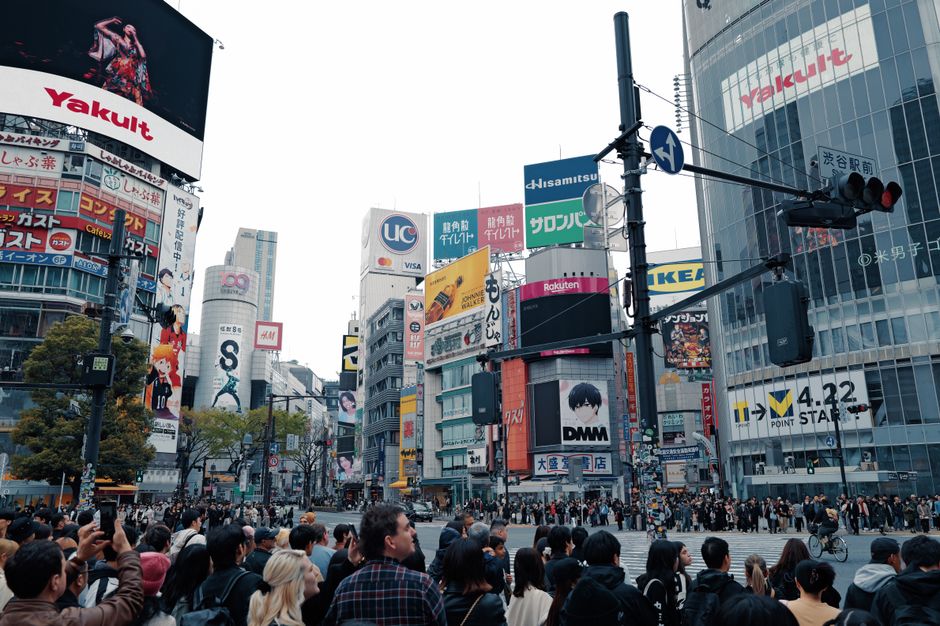
The redevelopment of Shibuya ward's residential corridors—particularly around Harajuku and the quieter zones west of Meiji-dori—has become the flashpoint of a broader conversation about Tokyo's housing future. Officials announced plans last month to accelerate mixed-use development projects, but residents are pushing back, questioning whether the city's most vulnerable populations will have a place in tomorrow's Tokyo.
Current average rent in central Shibuya hovers around ¥180,000 monthly for a modest two-bedroom apartment, a figure that has climbed steadily since 2020. The ward government's latest housing initiative prioritises conversion of aging residential buildings into luxury condominiums and corporate housing, raising questions about what happens to the middle-income families who have anchored these neighbourhoods for decades.
Community organisations like the Shibuya Citizens' Housing Council have organised regular forums at Shibuya Central Library to gather resident perspectives. Their surveys indicate that over 70 per cent of long-time residents fear displacement, citing inadequate consultation timelines and insufficient affordable housing commitments in development blueprints.
The tension reflects broader challenges facing Tokyo planners. Japan's population is shrinking, yet property prices in central wards continue climbing. Developers argue that only high-value projects generate sufficient tax revenue; community advocates counter that this approach abandons the principle of inclusive urban life.
Local shopkeeper associations along Omotesando and smaller merchants on side streets near Takeshita-dori express particular concern. These business owners worry that neighbourhood character—cultivated over generations—will be erased in favour of corporate uniformity. The Harajuku Business Association recently submitted formal recommendations to the ward office requesting mandatory heritage assessments before approvals.
The ward government has responded by pledging expanded consultation mechanisms and committing to preserve 15 per cent of new residential units as affordable housing in future projects. However, housing advocates say this falls short of the 25-30 per cent targets implemented successfully in other major cities.
Successive meetings scheduled throughout July at community centres across Shibuya will test whether residents' voices can meaningfully shape policy. The outcome may set precedent for how Tokyo navigates the delicate balance between economic vitality and social cohesion—a question that extends far beyond Shibuya's borders.
This article was compiled by AI from the sources linked above and screened before publishing. See our editorial standards.
How does this story make you feel?
Spread the word
About this article
Published by The Daily Tokyo
Daily brief
Free, in your inbox before 7am. Weekdays.
More in News