Tokyo's Transport Network Moves Forward: Major Rail and Road Projects Hit Key Milestones This Week
From the expansion of the Chiyoda Line to fresh developments on the Shinjuku bypass, Tokyo's infrastructure landscape is reshaping ahead of the 2030s.
From the expansion of the Chiyoda Line to fresh developments on the Shinjuku bypass, Tokyo's infrastructure landscape is reshaping ahead of the 2030s.
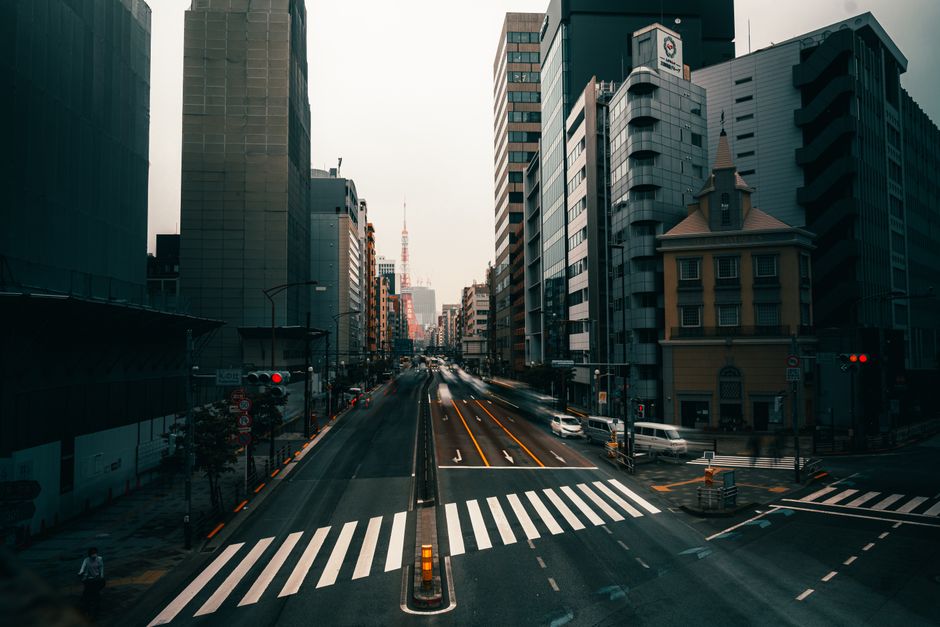
Tokyo's transport infrastructure underwent significant progress this week, with multiple projects reaching critical junctures that will reshape how millions of residents and commuters navigate the capital over the coming years.
The Tokyo Metropolitan Bureau of Transportation announced on Monday that the Chiyoda Line extension toward Nishi-Funabashi will enter its final design phase by September, marking accelerated progress on a project first conceived over a decade ago. The extension, which will connect Funabashi's growing residential zones to central Tokyo, is expected to reduce commute times by up to 20 minutes during peak hours. Current construction estimates place the project's completion window at 2029, with costs now stabilised at ¥387 billion following budget reviews completed last month.
Separately, the Metropolitan Expressway Company disclosed major resurfacing work on the Shinjuku bypass corridor—a critical artery handling approximately 180,000 vehicles daily—will accelerate through autumn 2026. The work, originally scheduled to conclude in 2027, is now targeted for completion six months ahead of schedule. This development comes as traffic analysis shows the bypass carrying loads 15 percent above design capacity during rush hours, particularly between the Shibuya and Ikebukuro interchanges.
In other developments, the Minato Ward government approved lease agreements for the Haneda Airport rail link's secondary terminal expansion, expected to generate additional capacity for 40,000 additional daily passengers when fully operational in 2028. The facility, located near the intersection of Sakurada-dori and the elevated expressway, will incorporate renewable energy systems and is projected to cost ¥156 billion.
Meanwhile, consultation periods concluded this week for the proposed Shibuya pedestrian precinct redesign—an ambitious plan to redirect vehicle traffic from Centre-gai and Meiji-dori while prioritising foot traffic and cycling infrastructure. The proposal, which would affect some 800,000 daily visitors to Shibuya Crossing and surrounding districts, enters public feedback review until mid-July.
Construction crews also marked progress on the Marunouchi Line's southern extension toward Yokohama, with tunnel boring reaching 67 percent completion through Minato Ward. The cross-prefectural link aims to streamline regional logistics and reduce highway congestion, with completion targeted for 2031.
These overlapping projects represent Tokyo's continued commitment to modernising transport infrastructure amid Japan's demographic shifts and climate considerations. City planners emphasise that these developments collectively represent an investment exceeding ¥1.2 trillion across the decade ahead—underscoring the scale of transformation underway beneath Tokyo's streets.
This article was compiled by AI from the sources linked above and screened before publishing. See our editorial standards.
How does this story make you feel?
Spread the word
About this article
Published by The Daily Tokyo
Daily brief
Free, in your inbox before 7am. Weekdays.
More in News