Shibuya's Pedestrian Crossing Gets Safety Overhaul: What Changed This Week
Tokyo's most famous intersection implements new traffic protocols following a surge in near-miss incidents, reshaping how millions navigate the crossing daily.
Tokyo's most famous intersection implements new traffic protocols following a surge in near-miss incidents, reshaping how millions navigate the crossing daily.
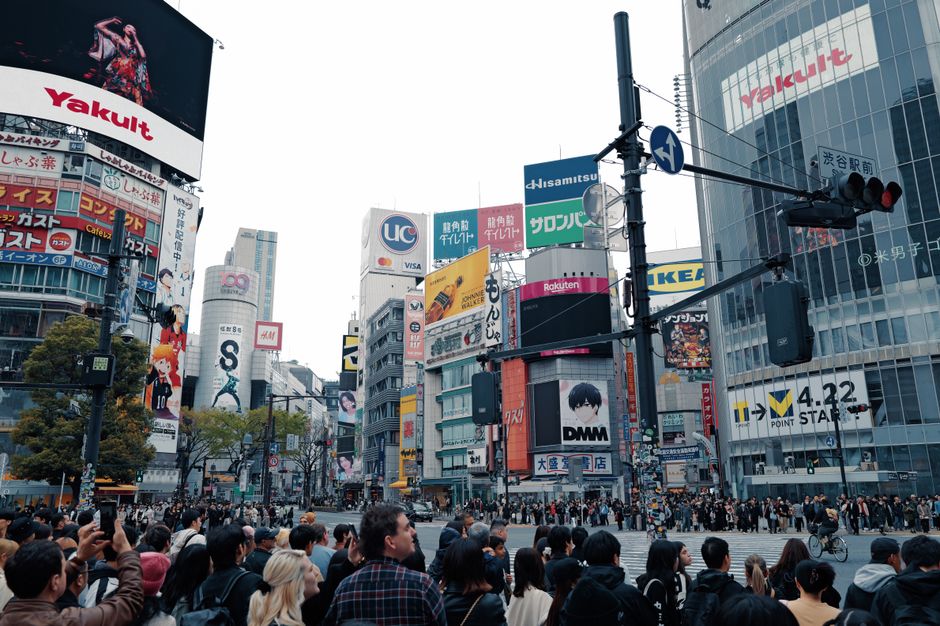
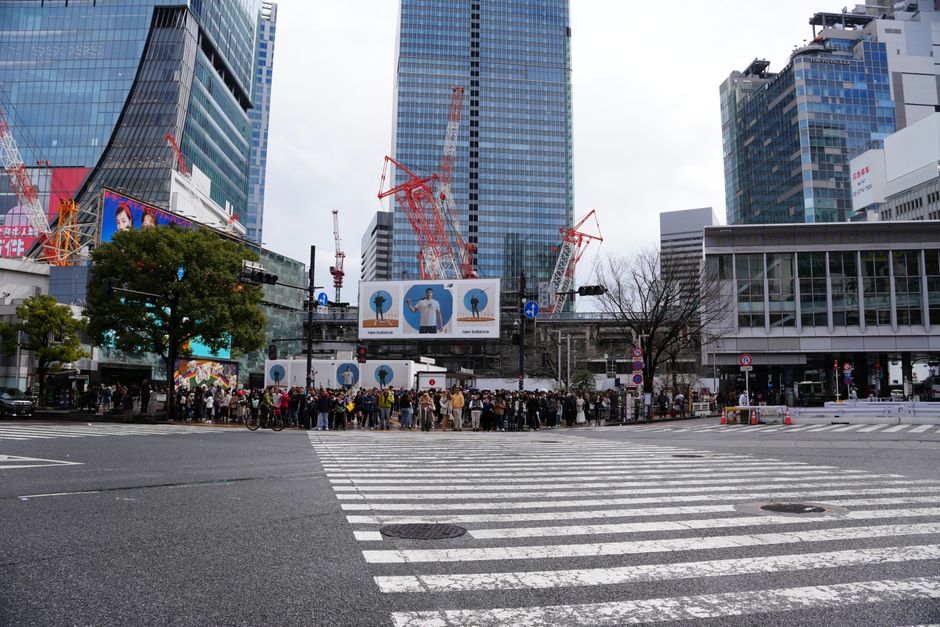
The iconic Shibuya Crossing, which sees roughly 3,000 pedestrians cross every 90 seconds during peak hours, entered a new operational phase on Monday as Tokyo Metropolitan Police Department and the Shibuya Ward Office unveiled enhanced safety measures. The changes mark the most significant restructuring of the world's busiest pedestrian intersection in over a decade.
Effective immediately, crossing times have been extended by 8 seconds during morning and evening rush periods—6:30 a.m. to 9:00 a.m. and 5:00 p.m. to 7:30 p.m.—to accommodate elderly residents and visitors unfamiliar with the crossing's rhythm. Additional LED warning lights have been installed at ground level along the intersection's edges, supplementing existing overhead signals. Ward officials reported that near-miss incidents at the crossing increased 23 percent year-on-year through May, prompting the intervention.
"We observed growing congestion as tourism rebounds to pre-pandemic levels," said a representative from Shibuya Ward's Urban Development Division during Friday's community briefing at the Shibuya Public Hall. "These adjustments prioritize pedestrian safety without significantly impacting traffic flow through surrounding streets."
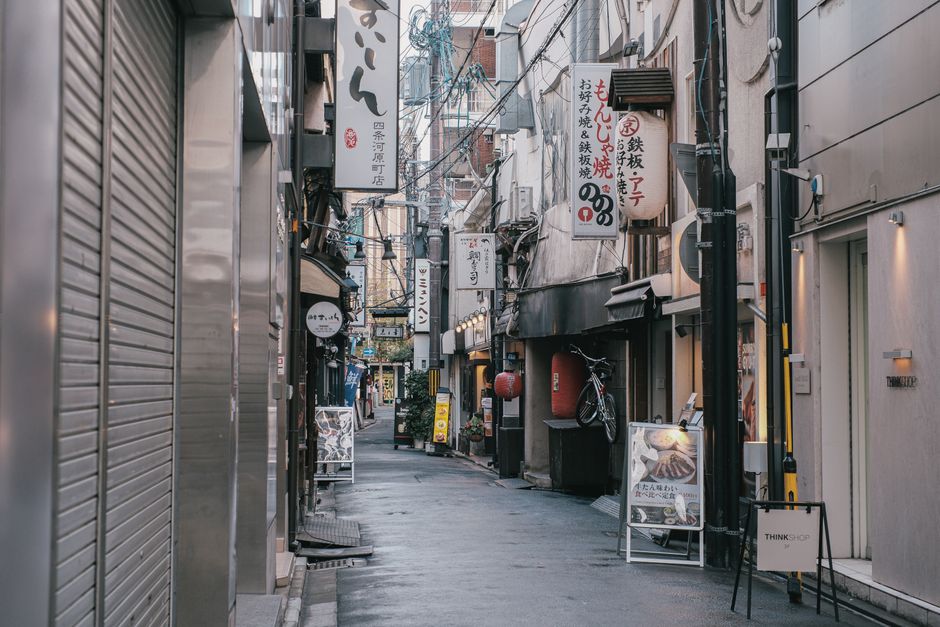
The modifications extend beyond Shibuya Crossing proper. On Center-gai, the pedestrianized shopping street connecting Shibuya Station to the intersection, three additional rest areas featuring benches and shade structures opened this week. Local shop owners reported positive reception, noting that visitors now linger longer in the district. Average dwell time increased from 47 minutes to 61 minutes, according to preliminary data shared with merchants.
Not all changes proved universally popular. Some residents expressed concern about the extended crossing times, fearing they could increase congestion on adjacent streets like Meiji-dori. However, traffic simulation data presented by the police department suggested minimal disruption, with average vehicle delays under two minutes per cycle.
The safety initiative coincides with rising foot traffic in central Tokyo wards. Shibuya recorded 2.89 million visitors in May alone—a 31 percent increase from May 2025—driven by international tourism recovery and major summer events scheduled through August.
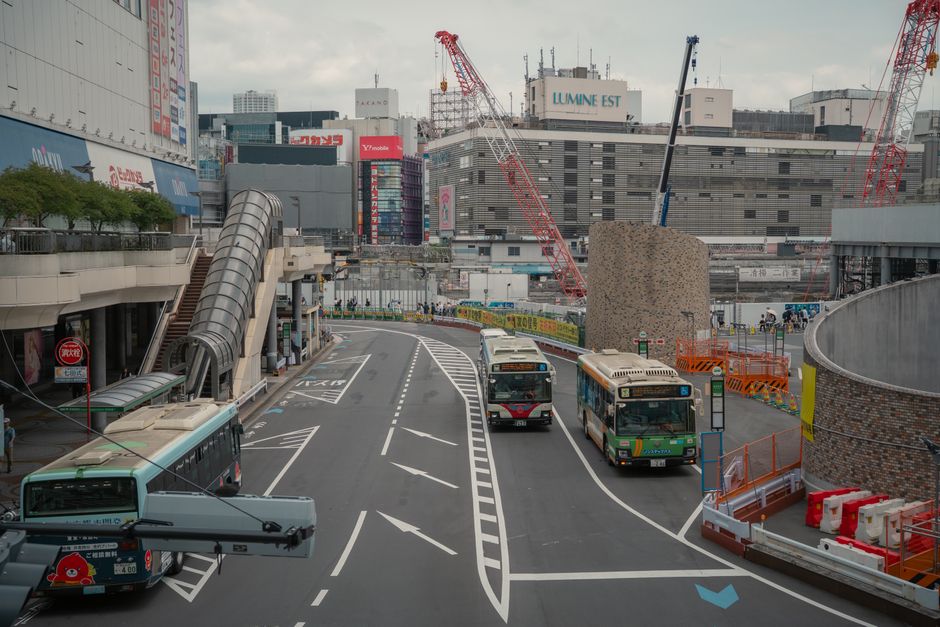
Broader infrastructure improvements continue across the ward. Construction on the Meiji-dori bicycle lane expansion, scheduled through September, has occasionally redirected pedestrian flow to alternative routes. Ward offices urged residents to allow extra travel time while work proceeds.
Officials indicated that the Shibuya Crossing modifications would remain under evaluation for six months before determining permanent implementation status.
This article was compiled by AI from the sources linked above and screened before publishing. See our editorial standards.
How does this story make you feel?
Spread the word
About this article
Published by The Daily Tokyo
Daily brief
Free, in your inbox before 7am. Weekdays.
More in News