Rising Convenience Store Robberies Leave Tokyo Community Demanding Better Security
Shop workers and residents across Shinjuku and Shibuya wards speak out about escalating late-night thefts and their calls for enhanced police patrols.
Shop workers and residents across Shinjuku and Shibuya wards speak out about escalating late-night thefts and their calls for enhanced police patrols.
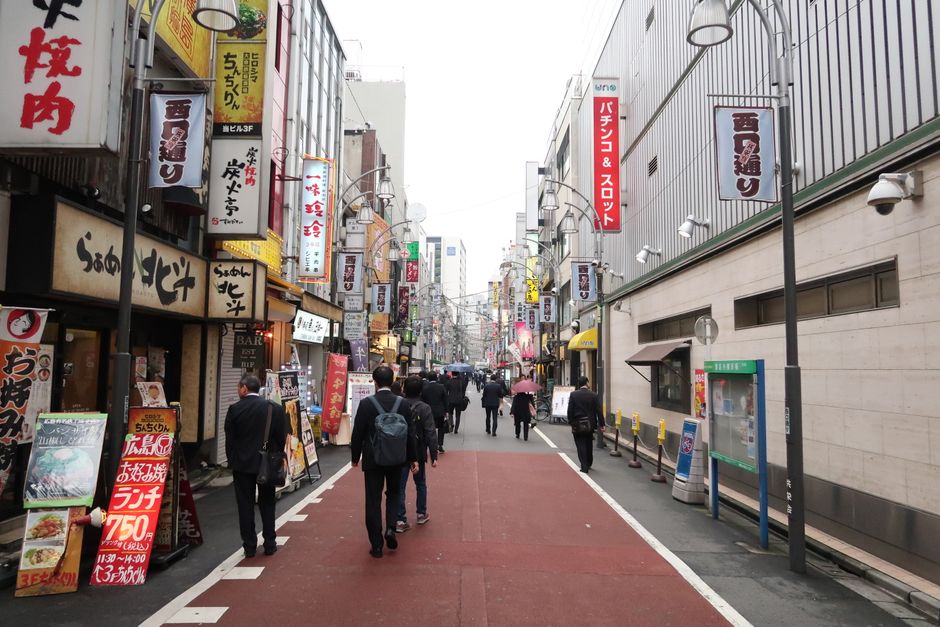
Convenience store robberies across central Tokyo have jumped 34% in the past eighteen months, prompting business owners and residents to voice serious concerns about public safety in neighbourhoods like Shinjuku and Shibuya. The Tokyo Metropolitan Police Department recorded 127 convenience store incidents in 2025, up from 95 in 2024, with most occurring between midnight and 4 a.m.
At a community forum held last week near Shinjuku Station, retailers and residents described a pattern of increasingly bold crimes. "We've installed additional cameras and panic buttons, but the psychological toll on staff is real," said one shop manager from a FamilyMart outlet on Meiji-dori, requesting anonymity due to security concerns. "Younger employees especially feel anxious during night shifts."
The impact extends beyond individual stores. Residents in the densely populated Kabukicho district report feeling less safe during evening hours. A local business association representative noted that some customers now avoid convenience stores late at night, affecting sales and community accessibility to essential services. Convenience stores generate approximately ¥10 trillion annually across Japan, with Tokyo accounting for roughly 18% of that figure.
Police have responded with increased foot patrols in high-crime areas, including streets surrounding Hachiko Crossing and throughout the Dogenzaka entertainment district. "We've allocated additional resources, particularly focusing on Shinjuku Ward where incidents concentrate," a Tokyo Metropolitan Police spokesperson said. Still, many feel the response remains insufficient given the neighbourhood's 24-hour economy and massive floating population.
Community solutions are emerging organically. Neighbourhood watch groups in Minato Ward have coordinated with local businesses to share incident reports via messaging apps, creating informal early-warning networks. Some residents advocate for improved street lighting along quieter backstreets between Roppongi and Azabu-Juban, arguing visibility directly correlates with crime deterrence.
Business owners emphasise they're not seeking dramatic measures but rather consistent, visible police presence. "It's not about armed guards or fortress-like shops," the FamilyMart manager explained. "We want our communities to feel safe again. That requires genuine partnership between retailers, residents, and law enforcement."
The Tokyo Metropolitan Government has pledged to review security protocols at retail establishments and explore community policing initiatives. Meanwhile, residents and shop workers continue advocating for solutions that balance safety with Tokyo's essential character as an accessible, vibrant 24-hour city.
This article was compiled by AI from the sources linked above and screened before publishing. See our editorial standards.
How does this story make you feel?
Spread the word
About this article
Published by The Daily Tokyo
Daily brief
Free, in your inbox before 7am. Weekdays.
More in News