While mass shootings devastate communities in Germany, humanitarian crises grip the Democratic Republic of Congo, and geopolitical tensions threaten stability across the Middle East, Tokyo's streets remain remarkably secure. This contrast raises a critical question: what is Japan's capital doing differently?
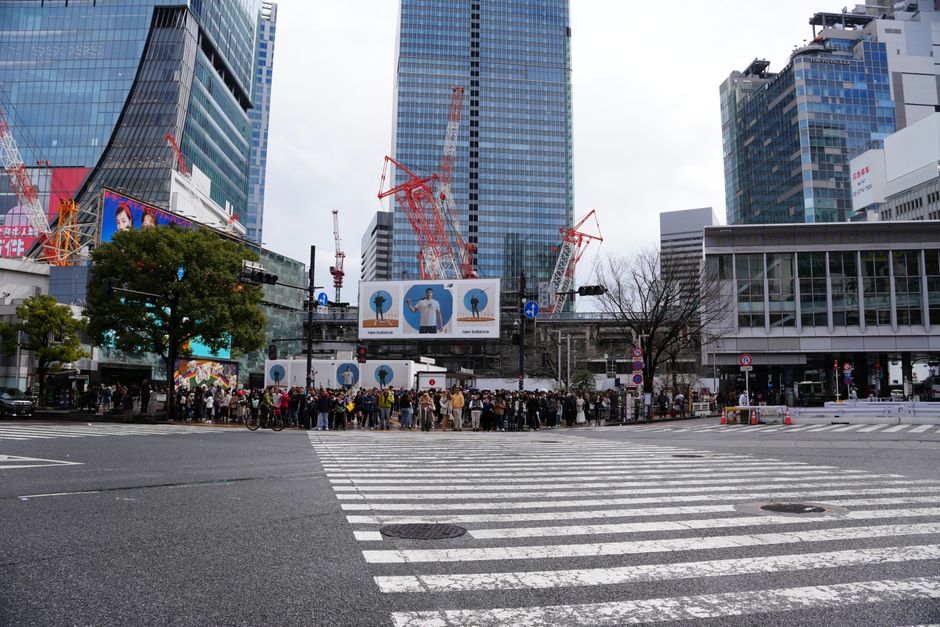
The answer lies in Tokyo's sophisticated fusion of preventive policing, advanced technology, and community engagement—a system that significantly outperforms comparable global metropolitan areas. With roughly 14 million residents, Tokyo records fewer than 60 homicides annually, a rate roughly one-tenth that of New York City despite similar populations. The Shibuya Crossing, one of the world's busiest pedestrian intersections, handles over 3,000 people per cycle without incident, a feat made possible by meticulous coordination between Tokyo Metropolitan Police Department officers and automated safety systems.
The Tokyo Metropolitan Police Department operates 102 police boxes—known as koban—strategically positioned throughout the city's 23 special wards. Each koban maintains hyper-local intelligence about its neighborhood, from Ginza's luxury retail theft patterns to Shinjuku's late-night disturbances. Officers walk beats in areas like Harajuku and Roppongi, building relationships with business owners and residents that create natural reporting networks.
Technology amplifies this human infrastructure. Tokyo's extensive surveillance camera network—estimated at over 500,000 cameras citywide—combines with the NPA's facial recognition database to identify suspects within hours rather than days. Emergency response times to serious incidents average under four minutes in central wards, substantially faster than London's seven-minute average or Berlin's six minutes.
The city's approach to prevention extends beyond enforcement. Community safety councils operate in every neighborhood, conducting monthly crime prevention workshops. The annual cost per resident for public safety in Tokyo is approximately ¥8,500 ($57), invested in both police presence and community programs—higher than many Western cities but yielding measurable results.
Disaster preparedness infrastructure also sets Tokyo apart. Following the 2011 Tōhoku earthquake, the city invested heavily in emergency protocols now considered internationally exemplary. The Tokyo Disaster Prevention Center in Ikebukuro trains thousands annually in evacuation procedures and first aid, creating a public that actively participates in its own safety.
Yet Tokyo's system isn't without criticism. Questions persist about privacy implications of mass surveillance, and demographic shifts—Tokyo's population is aging while youth crime patterns evolve—present emerging challenges. Still, as global cities grapple with rising violence and fractured emergency response systems, Tokyo's integrated model offers lessons worth studying: prevention works better than reaction, technology enhances rather than replaces community engagement, and sustained investment in public safety infrastructure pays dividends.
This article was compiled by AI from the sources linked above and screened before publishing. See our editorial standards.