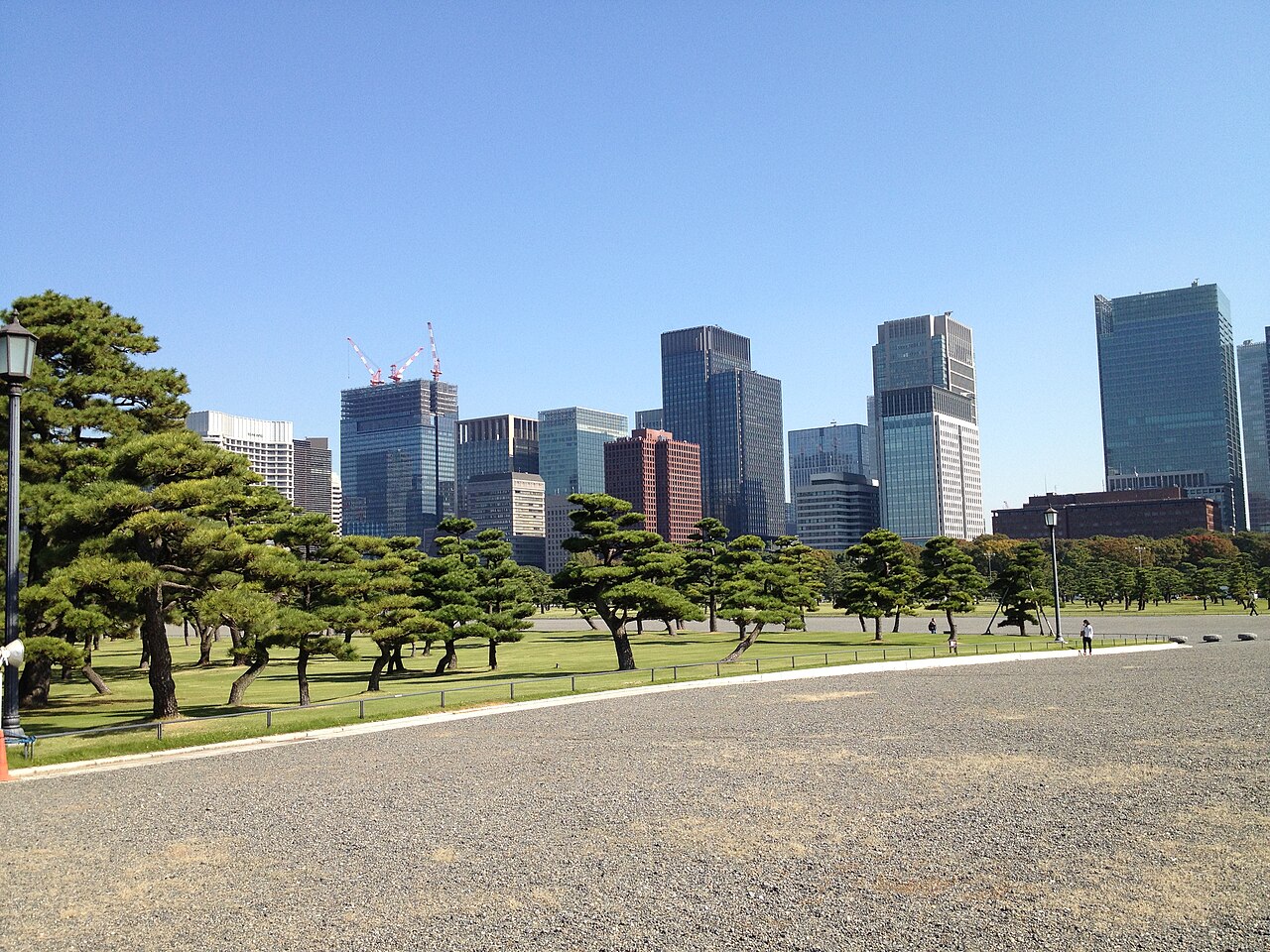
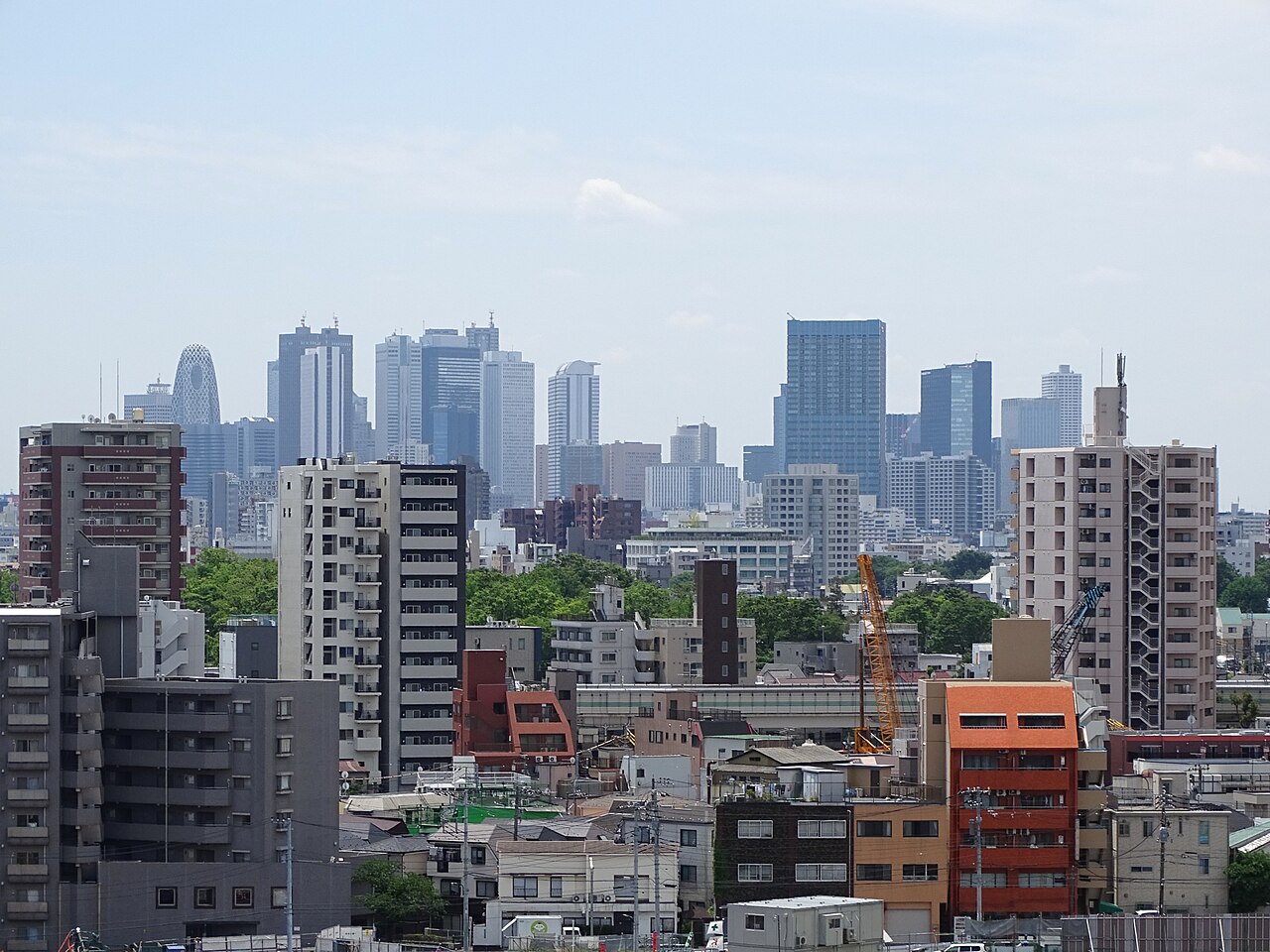
As multinational firms decentralise operations away from central Tokyo, a new class of mid-tier tech workers and suburban entrepreneurs are capturing opportunities that once belonged to Marunouchi tower dwellers.
As hybrid work reshapes demand, premium locations command attention while secondary districts offer surprising opportunities for cost-conscious operators.
As geopolitical tensions force multinational corporations to diversify sourcing away from traditional hubs, Japanese logistics and trading firms in Nihonbashi and beyond are capturing unprecedented opportunities.
As overnight visitor numbers plateau and spending patterns evolve, Tokyo's hospitality sector faces a critical reckoning about where growth really lies.
As ingredient costs soar and labour shortages bite, neighbourhood restaurants are raising prices; here's what everyday consumers need to know about the pressures reshaping Tokyo's iconic small-business landscape.
Rising geopolitical tensions, volatile currency markets, and persistent inflation are forcing financial firms across Marunouchi and Nihonbashi to rethink strategy.
Tokyo hospitality jobs are shifting from fine dining to casual concepts. Discover how Shibuya and Shinjuku restaurant hiring is changing employment prospects for workers across the capital.
Japan's aging crisis is reshaping Tokyo's job market. Discover how caregiving positions now outnumber IT and manufacturing roles—and what it means for workers seeking stable employment.
Hybrid work reshapes Tokyo's commercial real estate. Flexible workspace operators gain 20-30% rent premiums in Shibuya, Shinjuku, and Chiyoda as companies downsize permanent leases.
Tokyo's trading houses confront export slowdown, supply chain chaos, and currency volatility. How Japan's Marunouchi district is adapting to global headwinds.
Venture capital investment in Tokyo startups surged 23% in H1 2026. Learn how rising funding is reshaping Japan's business landscape and what it means for entrepreneurs.
Rising operational costs and a pullback in venture capital are forcing innovation districts from Shibuya to Minato to reassess their growth strategies mid-year.
Despite low unemployment, Tokyo employers face mounting pressure from labour shortages, automation demands, and a reluctance among workers to relocate to the capital.
As delivery-first dining models explode across Minato and Shibuya, traditional restaurant operators are racing to reimagine career paths and compete for a shrinking pool of skilled workers.